Nigeria's farmers on the frontline against Boko Haram: 'We fear for our souls'
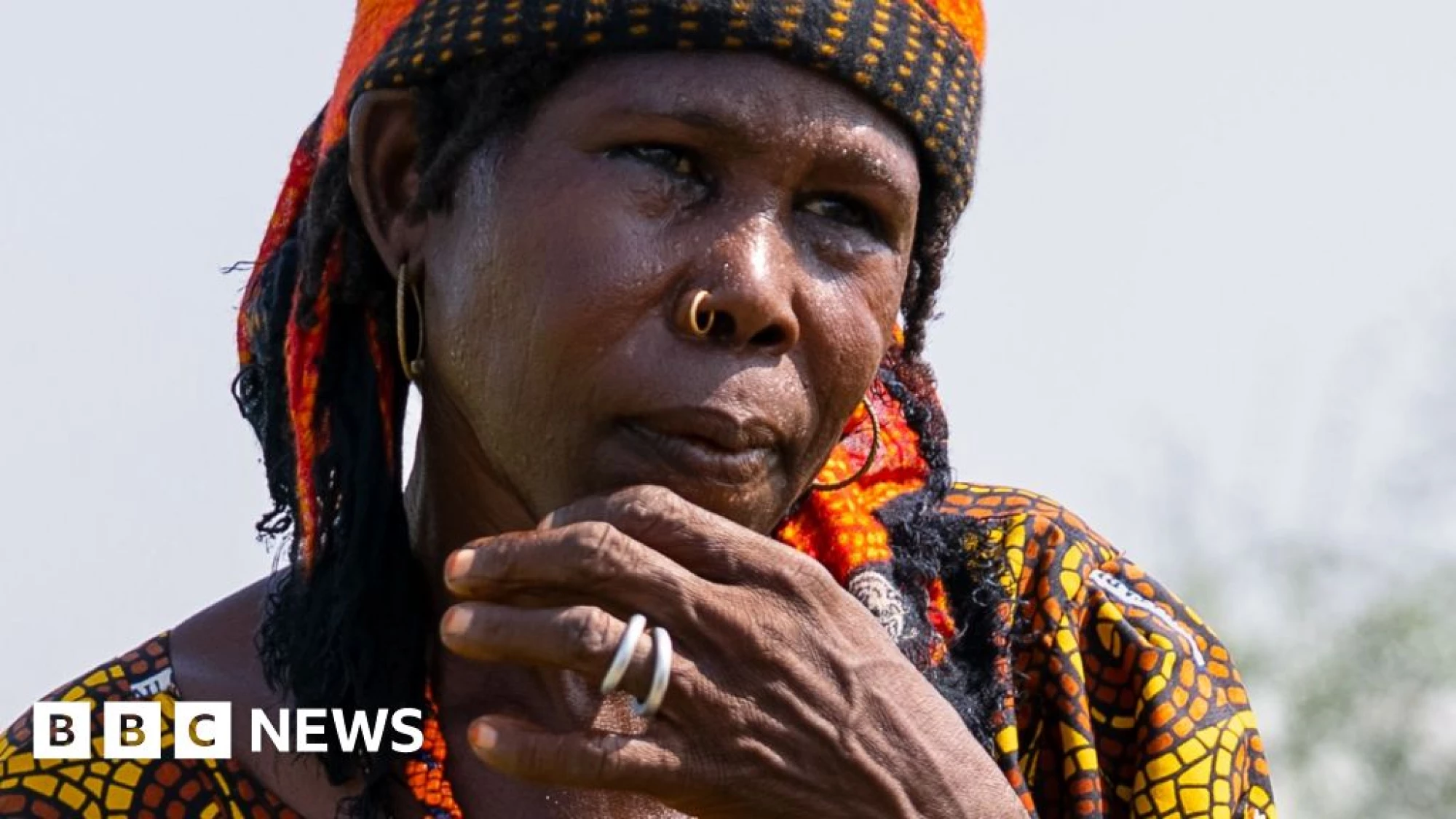
Armed guards and special buses are increasingly used to coax terrified farmers back into growing food.
Watch LiveBritish Broadcasting CorporationHomeNewsSportBusinessInnovationCultureArtsTravelEarthAudioVideoLiveDocumentariesHomeNewsIsrael-Gaza WarWar in UkraineUS & CanadaUKUK PoliticsEnglandN. IrelandN. Ireland PoliticsScotlandScotland PoliticsWalesWales PoliticsAfricaAsiaChinaIndiaAustraliaEuropeLatin AmericaMiddle EastIn PicturesBBC InDepthBBC VerifySportBusinessExecutive LoungeTechnology of BusinessFuture of BusinessInnovationTechnologyScience & HealthArtificial IntelligenceAI v the MindCultureFilm & TVMusicArt & DesignStyleBooksEntertainment NewsArtsArts in MotionTravelDestinationsAfricaAntarcticaAsiaAustralia and PacificCaribbean & BermudaCentral AmericaEuropeMiddle EastNorth AmericaSouth AmericaWorld’s TableCulture & ExperiencesAdventuresThe SpeciaListTo the Ends of The Earth EarthNatural WondersWeather & ScienceClimate SolutionsSustainable BusinessGreen LivingAudioPodcast CategoriesRadioAudio FAQsVideoBBC MaestroLiveLive NewsLive SportDocumentariesHomeNewsSportBusinessInnovationCultureArtsTravelEarthAudioVideoLiveDocumentariesWeatherNewslettersWatch Live'We fear for our souls' - Nigerian farmers need armed guards to protect them from jihadists1 day agoShareSaveIjeoma NdukweBorno stateShareSaveAyo Bello / BBCAisha Isa is one of many growers escorted by bus and armed by guards As women water vegetables and uproot weeds in a rural corner of north-eastern Nigeria, men in uniform stand guard nearby holding huge rifles.
They are Agro Rangers - a special security unit set up by the government to defend farmers from militants from jihadist groups Boko Haram and Islamic State West Africa Province (Iswap), who can strike farms in Borno state at any time.
"There is fear - we fear for our souls," Aisha Isa, 50, tells the BBC as she tends to her crops.
Because it is no longer safe for her family to live in the home they fled 11 years ago, she and many others like her are bussed into Dalwa village from a pick-up point in the state capital, Maiduguri, early in the morning. It is less than an hour's drive away.
She now lives in temporary housing, and growing beans and maize remains the only way for her to feed her family, she says.
https://www.bbc.com/news/articles/cwy7j9z7e7no?at_medium=RSS&at_campaign=rss
Rating: 5