If states ban fluoride, kids with cavities and Medicaid costs could spike, study finds
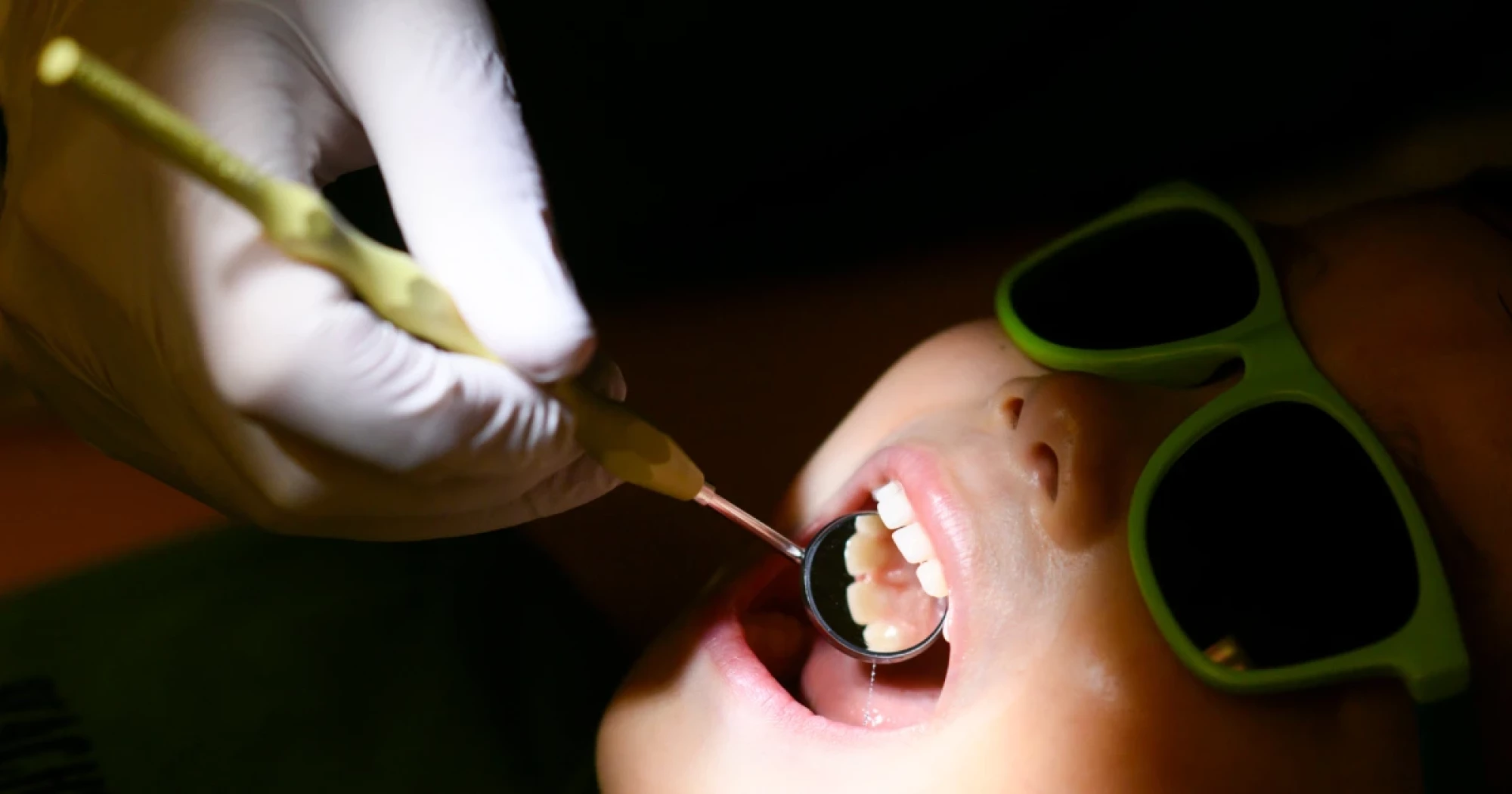
If five states ban fluoride in drinking water, the costs to Medicaid for a significant increase in kids with cavities could top $40 million within three years, a new analysis finds.
Tooth decay can begin very early in a child’s life. If five states ban fluoride in drinking water, the costs to Medicaid for a significant increase in kids with cavities could top $40 million within three years, a new analysis finds.
CareQuest Institute for Oral Health, a nonprofit which advocates for fluoridation, used Medicaid claims data and survey responses to predict the outcomes if the five states — Florida, Kentucky, Louisiana, Missouri and Oklahoma — stopped adding fluoride to water systems. Florida has already banned it; the other states have legislation in the works to ban it or make it optional.
Within three years, 132,572 additional children would need a cavity filled or a tooth pulled, according to the analysis. In Florida, which banned community water fluoridation last year, 52,131 children beyond what would normally be expected would need such dental care.
“Water fluoridation is the most broad-based, evidence-based, available-to-everyone tool that children can benefit from,” said Melissa Burroughs, CareQuest’s senior director of public policy. “If you take that away, the impact on kids is significant.”
The Centers for Disease Control and Prevention maintains that community water fluoridation is one of the greatest public health achievements of the past century. Supplementing water systems with the mineral has driven down tooth decay in America by 25%.
Rating: 5