Slow-motion footage reveals secrets of snake bites
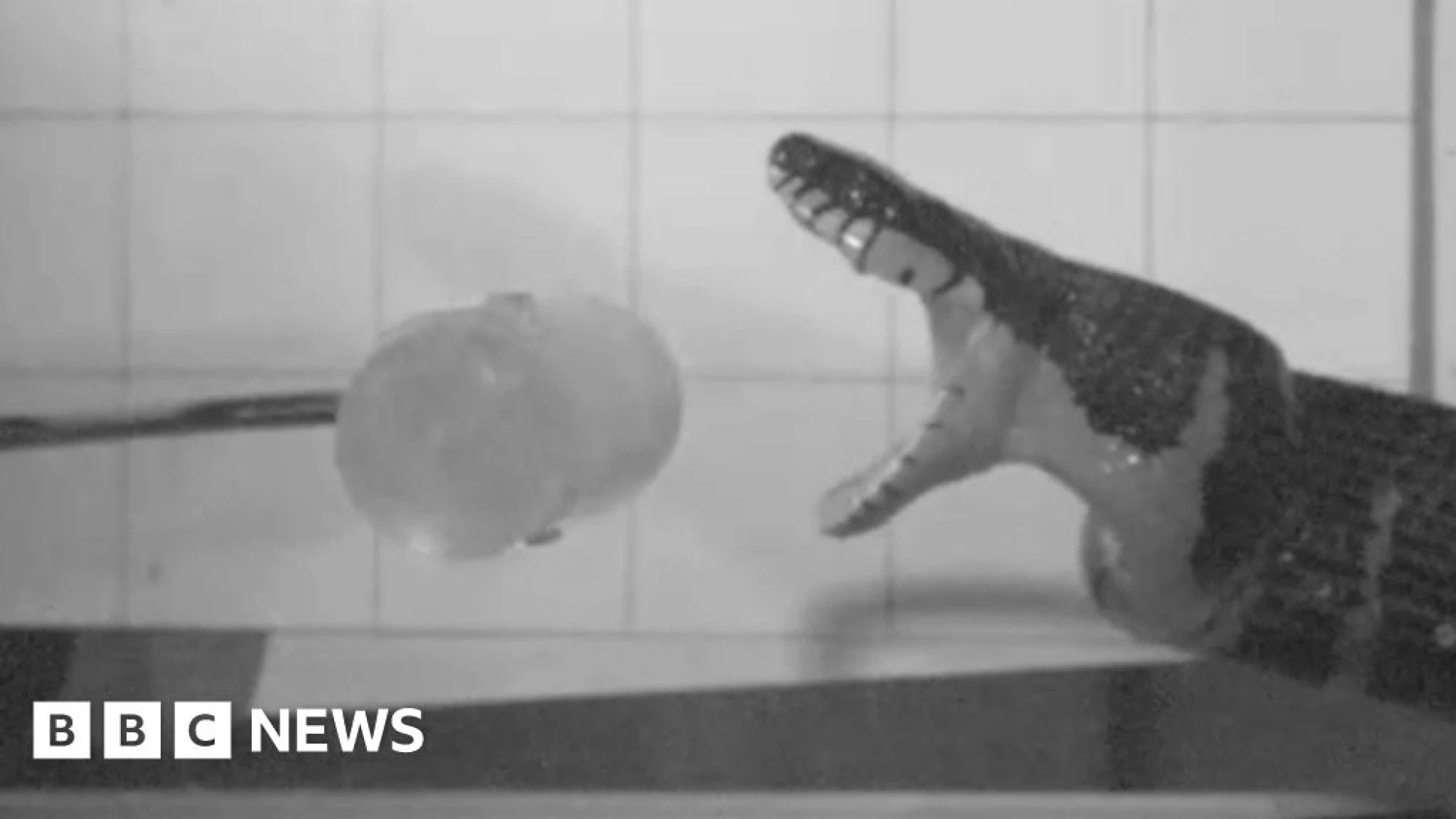
Scientists working out of a venom laboratory in Paris studied which snakes strike their prey fastest.
Watch LiveBritish Broadcasting CorporationHomeNewsSportBusinessInnovationCultureArtsTravelEarthAudioVideoLiveDocumentariesHomeNewsIsrael-Gaza WarWar in UkraineUS & CanadaUKUK PoliticsEnglandN. IrelandN. Ireland PoliticsScotlandScotland PoliticsWalesWales PoliticsAfricaAsiaChinaIndiaAustraliaEuropeLatin AmericaMiddle EastIn PicturesBBC InDepthBBC VerifySportBusinessExecutive LoungeTechnology of BusinessFuture of BusinessInnovationTechnologyScience & HealthArtificial IntelligenceAI v the MindCultureFilm & TVMusicArt & DesignStyleBooksEntertainment NewsArtsArts in MotionTravelDestinationsAfricaAntarcticaAsiaAustralia and PacificCaribbean & BermudaCentral AmericaEuropeMiddle EastNorth AmericaSouth AmericaWorld’s TableCulture & ExperiencesAdventuresThe SpeciaListTo the Ends of The Earth EarthNatural WondersWeather & ScienceClimate SolutionsSustainable BusinessGreen LivingAudioPodcast CategoriesRadioAudio FAQsVideoBBC MaestroLiveLive NewsLive SportDocumentariesHomeNewsSportBusinessInnovationCultureArtsTravelEarthAudioVideoLiveDocumentariesWeatherNewslettersWatch LiveSlow-motion footage reveals secrets of snake bitesAustralian scientists working out of a venom laboratory in Paris, France, have shared their research into how fast several snake species strike and deliver their bites.
Speaking to the BBC, co-author of the study Alistair Evans detailed how a gel was warmed to simulate prey and "entice" the snake to bite.
Using slow-motion footage, researchers found vipers were the fastest but some elapids were almost as fast. They also observed how the different species used their fangs to capture their prey and inject venom.
https://www.bbc.com/news/videos/cm27xp3787do?at_medium=RSS&at_campaign=rss
Rating: 5