'Exhausted, hungry, and scared': What it's like to be a journalist in Gaza
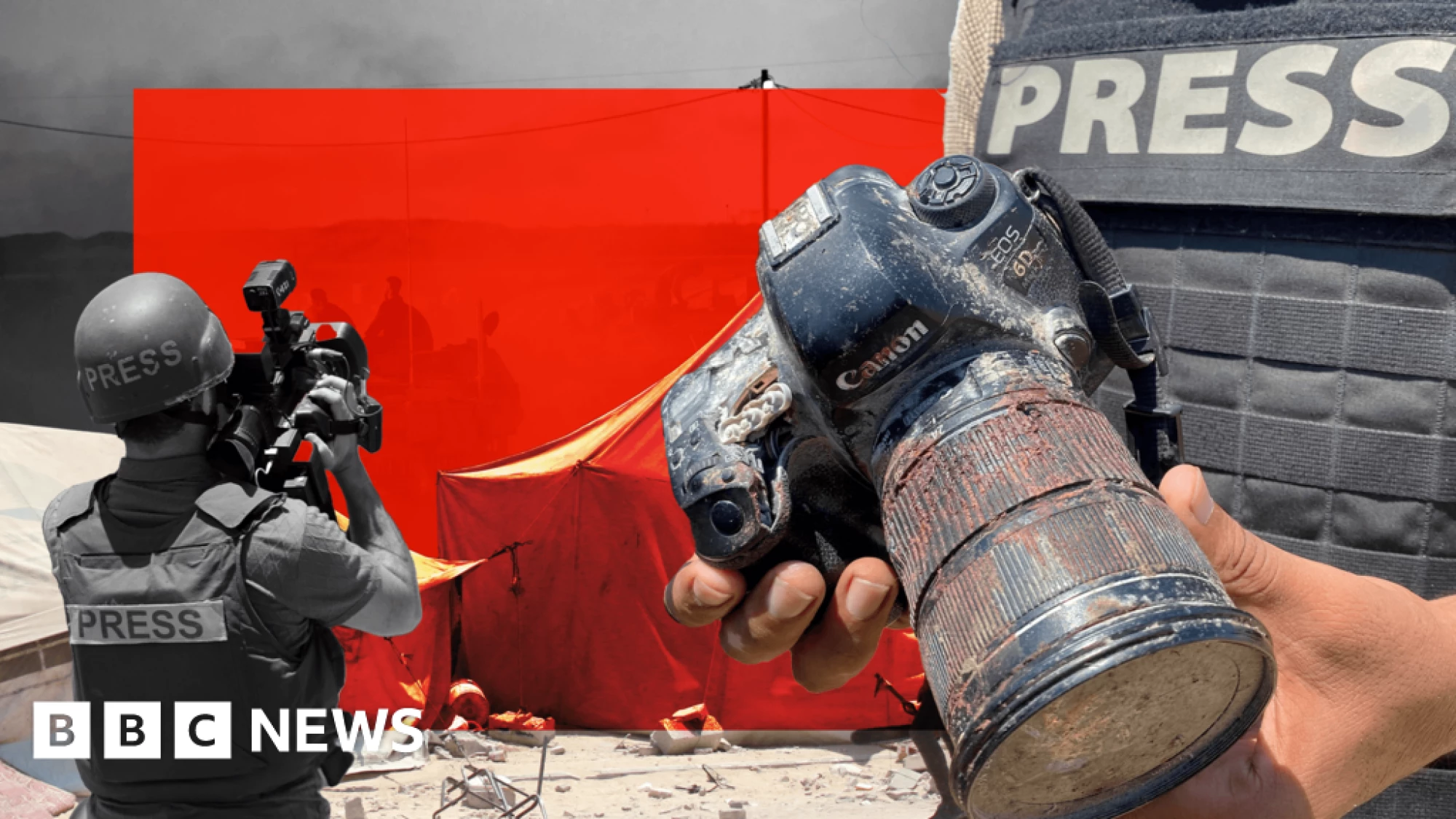
Palestinian journalists give the BBC first-hand accounts of the hardship and dangers they face while reporting on the war.
Watch LiveBritish Broadcasting CorporationHomeNewsSportBusinessInnovationCultureArtsTravelEarthAudioVideoLiveHomeNewsIsrael-Gaza WarWar in UkraineUS & CanadaUKUK PoliticsEnglandN. IrelandN. Ireland PoliticsScotlandScotland PoliticsWalesWales PoliticsAfricaAsiaChinaIndiaAustraliaEuropeLatin AmericaMiddle EastIn PicturesBBC InDepthBBC VerifySportBusinessExecutive LoungeTechnology of BusinessFuture of BusinessInnovationTechnologyScience & HealthArtificial IntelligenceAI v the MindCultureFilm & TVMusicArt & DesignStyleBooksEntertainment NewsArtsArts in MotionTravelDestinationsAfricaAntarcticaAsiaAustralia and PacificCaribbean & BermudaCentral AmericaEuropeMiddle EastNorth AmericaSouth AmericaWorld’s TableCulture & ExperiencesAdventuresThe SpeciaListEarthNatural WondersWeather & ScienceClimate SolutionsSustainable BusinessGreen LivingAudioPodcast CategoriesRadioAudio FAQsVideoLiveLive NewsLive SportHomeNewsSportBusinessInnovationCultureArtsTravelEarthAudioVideoLiveWeatherNewslettersWatch Live'Exhausted, hungry, and scared': What it's like to be a journalist in Gaza3 days agoShareSaveAmira MhadhbiBBC News ArabicShareSaveBBCJournalists in Gaza work and sleep in tents near various hospitals "I never imagined that one day I would be living and working in a tent, deprived of the most basic human necessities - even water and a bathroom.
"It's more like a greenhouse in the summer and a refrigerator in the winter," journalist Abdullah Miqdad told the BBC.
After 22 months of war in Gaza, most journalists find themselves working in tents around hospitals in order to access the electricity and reliable internet connection they need to do their jobs.
Power has been cut off across Gaza, so hospitals, whose generators are still functioning, provide the electricity to charge phones and equipment, and offer high points with better mobile reception.
But working at hospitals has not afforded them safety, with Israeli strikes on hospitals and their compounds killing a number of journalists during the conflict.
https://www.bbc.com/news/articles/crm49zxyn0go?at_medium=RSS&at_campaign=rss
Rating: 5