Abuja community evicted to build Nigeria's capital: 'We want a voice in our land'
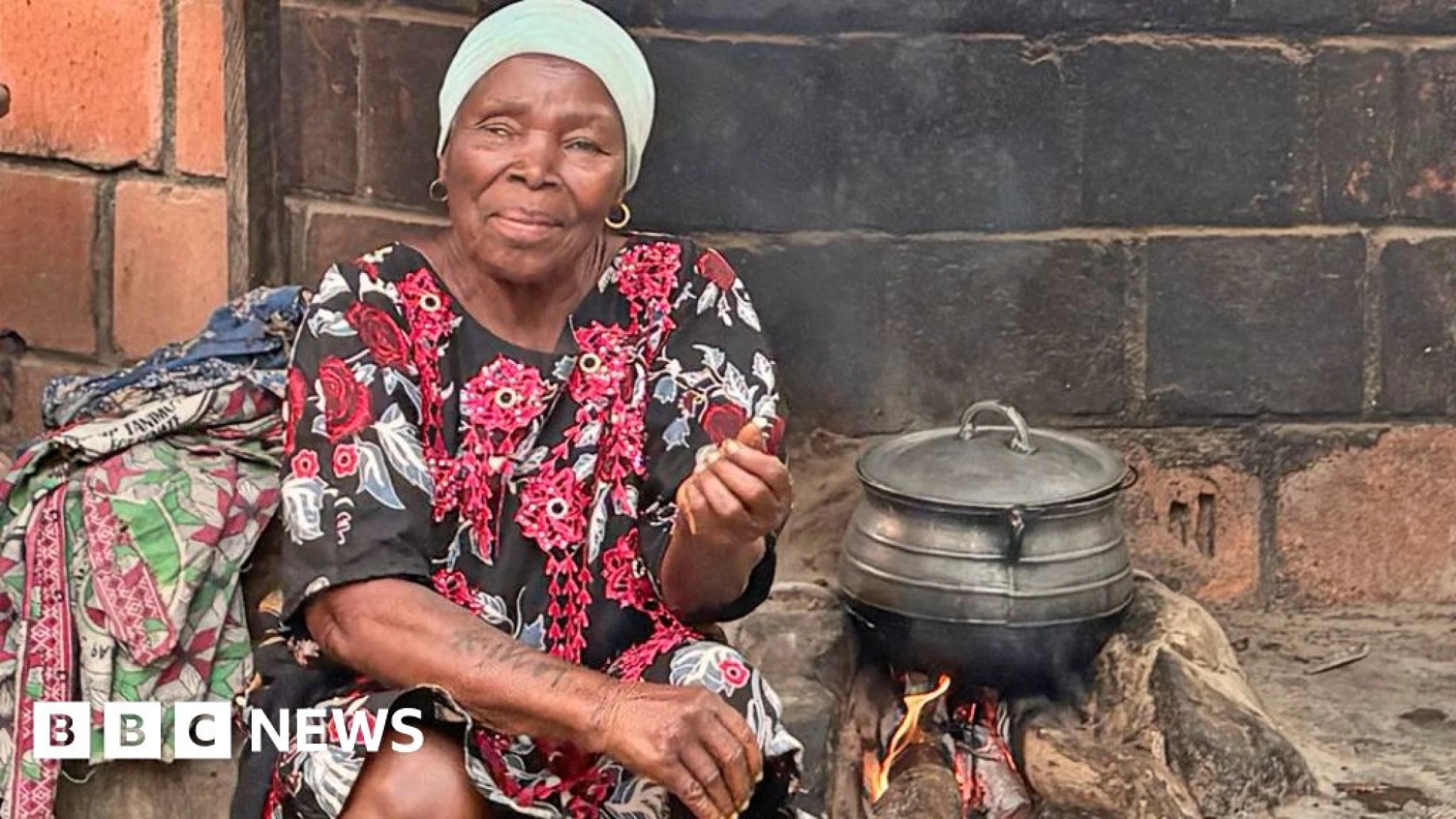
People evicted to build Nigeria's capital accuse the government of failing to fulfill its promises to them.
Watch LiveBritish Broadcasting CorporationHomeNewsSportBusinessTechnologyHealthCultureArtsTravelEarthAudioVideoLiveDocumentariesHomeNewsUS & CanadaUKUK PoliticsEnglandN. IrelandN. Ireland PoliticsScotlandScotland PoliticsWalesWales PoliticsAfricaAsiaChinaIndiaAustraliaEuropeLatin AmericaMiddle EastIn PicturesBBC InDepthBBC VerifySportBusinessWorld of BusinessTechnology of BusinessNYSE Opening BellTechnologyWatch DocumentariesArtificial IntelligenceAI v the MindHealthWatch DocumentariesCultureWatch DocumentariesFilm & TVMusicArt & DesignStyleBooksEntertainment NewsArtsWatch DocumentariesArts in MotionTravelWatch DocumentariesDestinationsAfricaAntarcticaAsiaAustralia and PacificCaribbean & BermudaCentral AmericaEuropeMiddle EastNorth AmericaSouth AmericaWorld’s TableCulture & ExperiencesAdventuresThe SpeciaListEarthWatch DocumentariesScienceNatural WondersClimate SolutionsSustainable BusinessGreen LivingAudioPodcast CategoriesRadioAudio FAQsVideoWatch DocumentariesBBC MaestroDiscover the WorldLiveLive NewsLive SportDocumentariesHomeNewsSportBusinessTechnologyHealthCultureArtsTravelEarthAudioVideoLiveDocumentariesWeatherNewslettersWatch Live'We want a voice in our land' - the people evicted to build Nigeria's capital2 days agoShareSaveAdd as preferred on GoogleAdaobi Tricia NwaubaniAbujaAdaobi Tricia NwaubaniNow in her 80s, Lami Ezekiel remembers construction crews arriving in her ancestral home in Maitama, as it was destroyed to build Nigeria's capital, Abuja.
"We just saw big trucks and construction vehicles destroying our farms," she recalls.
This was in the late 1980s. She, like others who lived on the land on which the city was built, say they are still waiting for the compensation they were promised at the time.
The planning for the new capital right in the centre of the country began a decade earlier.
On 4 February 1976, the military government led by Murtala Muhammed created an area called the Federal Capital Territory (FCT) - 7,315 sq km (2,824 sq miles) of land carved from Niger, Plateau and Kaduna states.
https://www.bbc.com/news/articles/clyggr00x5vo?at_medium=RSS&at_campaign=rss
Rating: 5