Jun Ji-hyun: K-drama Tempest draws nationalist ire in China
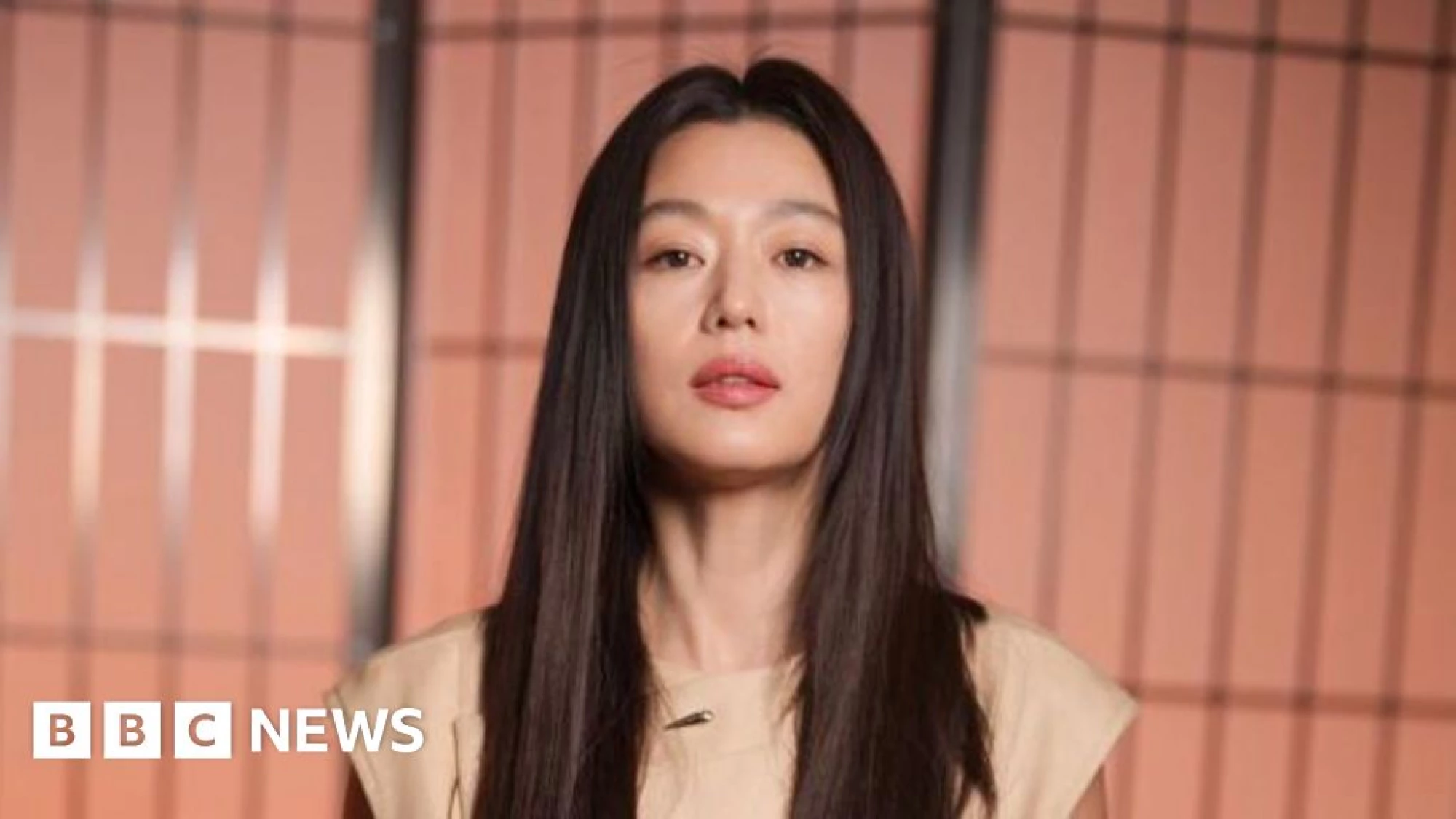
China's ban on K-drama seemed to be easing - until Jun Ji-hyun's Tempest came along.
Watch LiveBritish Broadcasting CorporationHomeNewsSportBusinessInnovationCultureArtsTravelEarthAudioVideoLiveHomeNewsIsrael-Gaza WarWar in UkraineUS & CanadaUKUK PoliticsEnglandN. IrelandN. Ireland PoliticsScotlandScotland PoliticsWalesWales PoliticsAfricaAsiaChinaIndiaAustraliaEuropeLatin AmericaMiddle EastIn PicturesBBC InDepthBBC VerifySportBusinessExecutive LoungeTechnology of BusinessFuture of BusinessInnovationTechnologyScience & HealthArtificial IntelligenceAI v the MindCultureFilm & TVMusicArt & DesignStyleBooksEntertainment NewsArtsArts in MotionTravelDestinationsAfricaAntarcticaAsiaAustralia and PacificCaribbean & BermudaCentral AmericaEuropeMiddle EastNorth AmericaSouth AmericaWorld’s TableCulture & ExperiencesAdventuresThe SpeciaListTo the Ends of The Earth EarthNatural WondersWeather & ScienceClimate SolutionsSustainable BusinessGreen LivingAudioPodcast CategoriesRadioAudio FAQsVideoLiveLive NewsLive SportHomeNewsSportBusinessInnovationCultureArtsTravelEarthAudioVideoLiveWeatherNewslettersWatch Live'Why does China prefer war?' The K-drama line that infuriated the Chinese internet1 day agoShareSaveKoh EweShareSaveGetty ImagesJun swept to stardom with the 2001 rom-com My Sassy Girl, which took Asia by storm and established her as a noughties 'it girl'In the spy romance series Tempest, Jun Ji-hyun, one of South Korea's biggest stars, plays a diplomat trying to uncover the truth behind a deadly assassination.
"Why does China prefer war? A nuclear bomb could fall near the border," her character says in one episode of the new Disney+ series.
This fictional scene led to real consequences over the weekend, with many Chinese social media users taking it to be a malicious mischaracterisation of China as belligerent. Many are now calling for brands to sever ties with the Korean actress.
The uproar has also reignited debate over an unofficial Chinese ban on South Korean entertainment, which has been in place for nearly a decade.
While China has never admitted to a ban, the abrupt dearth of K-content since 2016 is widely believed to be a protest against South Korea's decision to deploy a US anti-missile system in 2016, which China sees as a threat to its military operations in the region.
https://www.bbc.com/news/articles/c3vznlzwrw3o?at_medium=RSS&at_campaign=rss
Rating: 5