The sub-Arctic town pitching itself as Canada's gateway to Europe
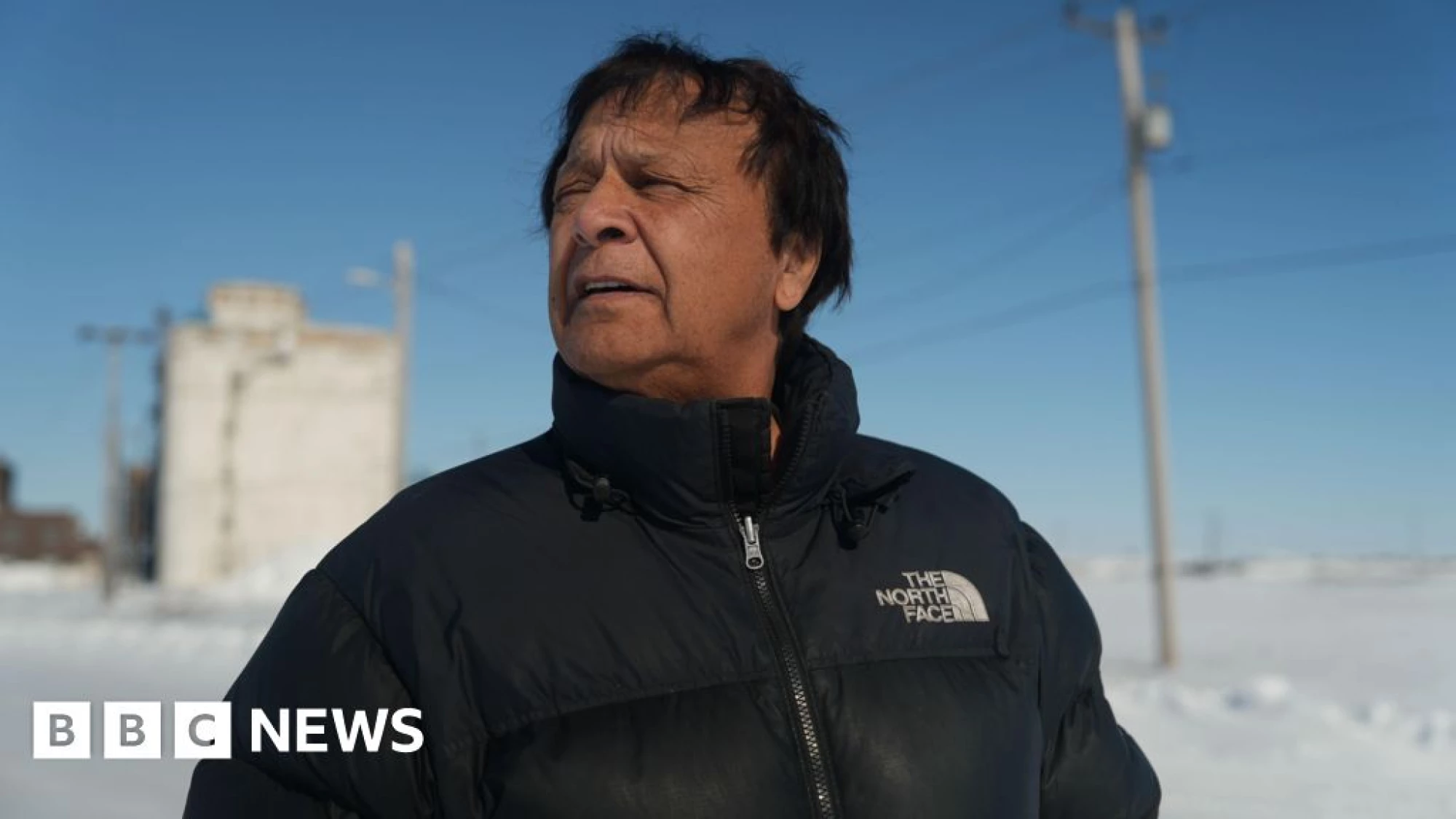
Churchill, Manitoba, best known as the world's polar bear capital, has ambitions of making its deep-water port a year-round trade route.
Watch LiveBritish Broadcasting CorporationHomeNewsSportBusinessTechnologyHealthCultureArtsTravelEarthAudioVideoLiveDocumentariesHomeNewsUS & CanadaUKUK PoliticsEnglandN. IrelandN. Ireland PoliticsScotlandScotland PoliticsWalesWales PoliticsAfricaAsiaChinaIndiaAustraliaEuropeLatin AmericaMiddle EastIn PicturesBBC InDepthBBC VerifySportBusinessWorld of BusinessTechnology of BusinessNYSE Opening BellTechnologyWatch DocumentariesArtificial IntelligenceIntelligence RevolutionAI v the MindTech NowHealthWatch DocumentariesCultureWatch DocumentariesFilm & TVMusicArt & DesignStyleBooksEntertainment NewsArtsWatch DocumentariesArts in MotionTravelWatch DocumentariesDestinationsAfricaAntarcticaAsiaAustralia and PacificCaribbean & BermudaCentral AmericaEuropeMiddle EastNorth AmericaSouth AmericaWorld’s TableCulture & ExperiencesAdventuresThe SpeciaListEarthWatch DocumentariesScienceNatural WondersClimate SolutionsSustainable BusinessGreen LivingAudioPodcast CategoriesRadioAudio FAQsVideoWatch DocumentariesBBC MaestroDiscover the WorldLiveLive NewsLive SportDocumentariesHomeNewsSportBusinessTechnologyHealthCultureArtsTravelEarthAudioVideoLiveDocumentariesWeatherNewslettersWatch LiveThe sub-Arctic town pitching itself as Canada's gateway to Europe3 days agoShareSaveAdd as preferred on GoogleNadine YousifSenior Canada reporter, Churchill, Manitoba Eloise Alanna/BBC NewsChurchill mayor Mike Spence is hoping his town's port can serve as a hub for shorter shipping from Canada to Europe The Port of Churchill sits idle for most of the year, blanketed by snow and frozen by the bitter cold climate of Canada's sub-Arctic. It's only operational in the summer for four months, sometimes five.
But where weather is a hindrance, it has geography on its side - the northern Manitoba port sits on the Hudson Bay, a vast body of water with a direct route through the Bay's strait into the Labrador Sea and the north Atlantic Ocean.
From there, cargo ships sail more quickly to Europe, and can reach Africa and South America, delivering goods ranging from food to critical minerals, and even – Canada's leaders hope – liquified natural gas (LNG).
For decades, ambitions of expanding the Port of Churchill have fallen short — derailed, locals argue, under years of poor management as experts openly questioned whether an Arctic port makes good economic sense. Canada is now hoping to change that, guided by the inevitability of climate change, the challenge of US tariffs, and Europe's energy shortage fuelled by ongoing global conflicts.
"Canada has an abundance of resources, and this port expansion will mean we can ship more to the world," Prime Minister Mark Carney said earlier this year.
https://www.bbc.com/news/articles/cyv1zdey7pmo?at_medium=RSS&at_campaign=rss
Rating: 5