Ketamine disguised as tea keeps washing ashore on South Korea's Jeju island
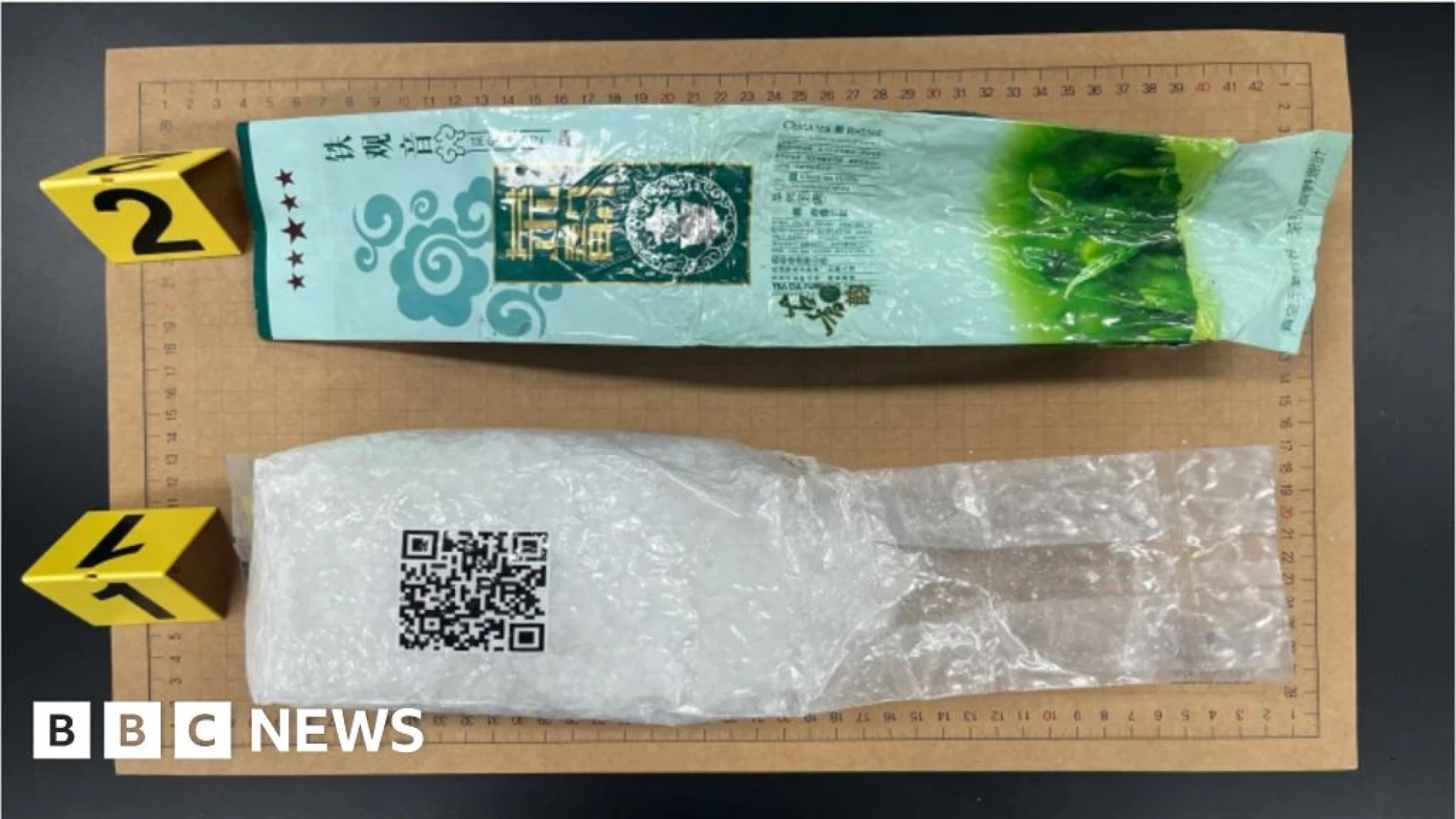
Some 28kg of ketamine have been found washed up on the island's beaches in the past two months.
Watch LiveBritish Broadcasting CorporationHomeNewsSportBusinessInnovationCultureArtsTravelEarthAudioVideoLiveDocumentariesHomeNewsIsrael-Gaza WarWar in UkraineUS & CanadaUKUK PoliticsEnglandN. IrelandN. Ireland PoliticsScotlandScotland PoliticsWalesWales PoliticsAfricaAsiaChinaIndiaAustraliaEuropeLatin AmericaMiddle EastIn PicturesBBC InDepthBBC VerifySportBusinessExecutive LoungeTechnology of BusinessFuture of BusinessInnovationWatch DocumentariesTechnologyScience & HealthArtificial IntelligenceAI v the MindCultureWatch DocumentariesFilm & TVMusicArt & DesignStyleBooksEntertainment NewsArtsArts in MotionTravelWatch DocumentariesDestinationsAfricaAntarcticaAsiaAustralia and PacificCaribbean & BermudaCentral AmericaEuropeMiddle EastNorth AmericaSouth AmericaWorld’s TableCulture & ExperiencesAdventuresThe SpeciaListTo the Ends of The Earth EarthWatch DocumentariesNatural WondersWeather & ScienceClimate SolutionsSustainable BusinessGreen LivingAudioPodcast CategoriesRadioAudio FAQsVideoWatch DocumentariesBBC MaestroLiveLive NewsLive SportDocumentariesHomeNewsSportBusinessInnovationCultureArtsTravelEarthAudioVideoLiveDocumentariesWeatherNewslettersWatch LiveDrugs disguised as tea keep washing up on this S Korean holiday island9 hours agoShareSaveKelly NgShareSaveJeju Coast GuardSome 28kg of ketamine, wrapped in foil and labelled with the Chinese character for tea, have been found in the last two monthsSince September, residents on South Korea's Jeju island have been spotting small packs of what appear to be bags of Chinese tea washed ashore. Upon closer inspection, however, they were found to contain ketamine.
Some 28kg (62 lbs) of the drug, wrapped in foil and labelled with the Chinese character for tea, have been found on at least eight occasions, police say.
Ketamine is used as an anaesthetic in medical procedures, but its recreational use is illegal in South Korea. It can cause severe physical and mental damage, including to the heart and lungs, when misused.
The Jeju Coast Guard has formed a team to trace possible sea and land routes through which the drugs may have entered the country.
Authorities have also warned residents not to touch or open any suspicious objects found along the shore, asking them to instead report such discoveries to police.
https://www.bbc.com/news/articles/c93d4y8ggvqo?at_medium=RSS&at_campaign=rss
Rating: 5