Oldest evidence of the plague found in prehistoric graves, rewriting its history
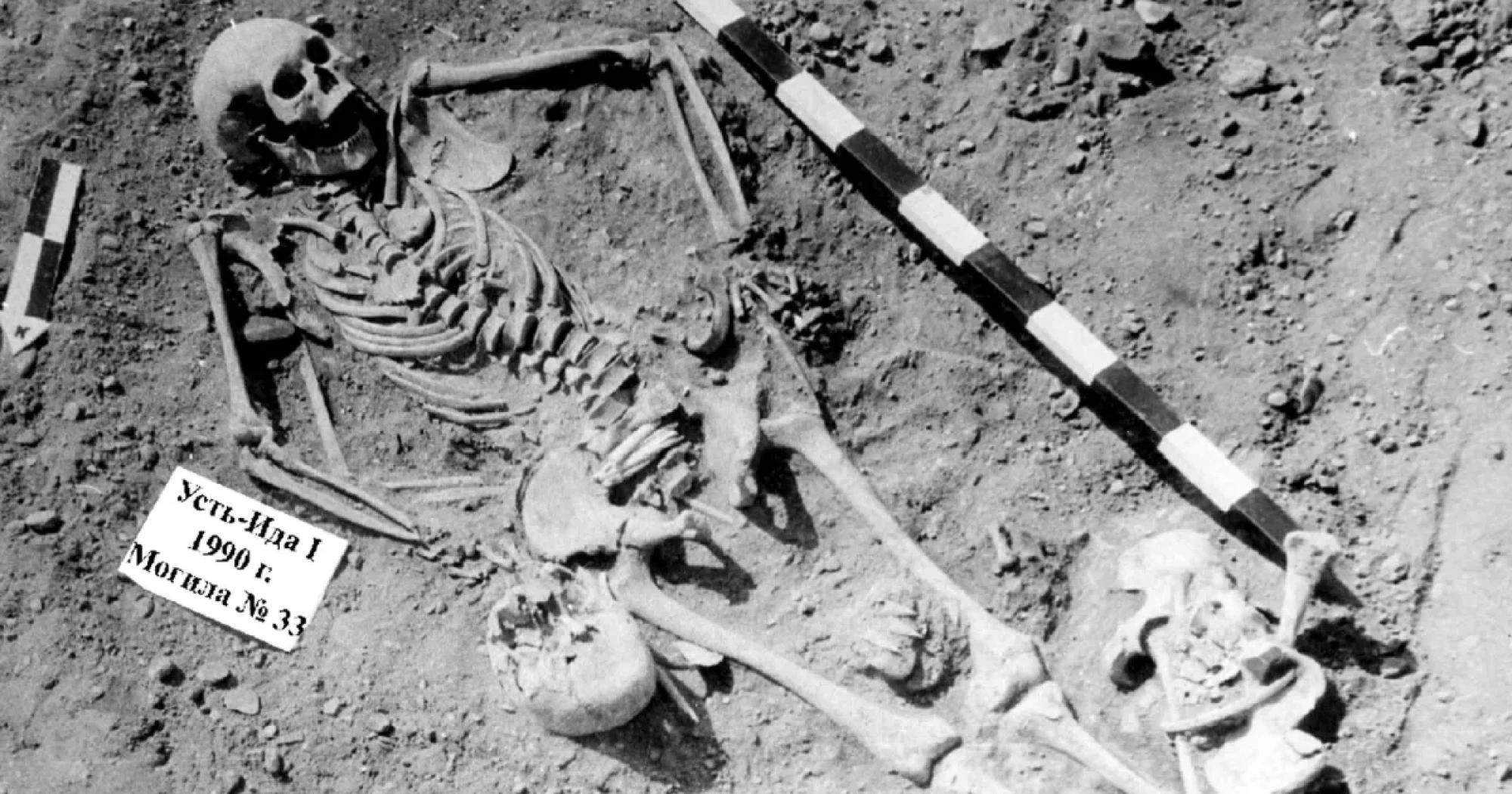
A new study describes the oldest evidence of a plague outbreak ever found, in a set of skeletons excavated from prehistoric graves in Siberia dating back 5,500 years.
In prehistoric graves of children in Siberia, scientists have found the world’s oldest evidence of a plague outbreak.
Subscribe to read this story ad-free
Get unlimited access to ad-free articles and exclusive content.
The discovery, described in a study published Wednesday in the journal Nature, rewrites the history of one of the most consequential diseases in human history.
The graves, on the banks of the Angara River, contained remains from multiple generations of hunter-gatherers, along with archaeological remnants like arrowheads that date back about 5,500 years. When researchers did genetic testing on the skeletons’ teeth, they found DNA of the bacterium that causes plague in about 40%.
https://www.nbcnews.com/science/science-news/oldest-evidence-plague-prehistoric-siberia-rcna349852
Rating: 5