Sheikh Hasina: Bangladesh's pro-democracy icon who became an autocrat
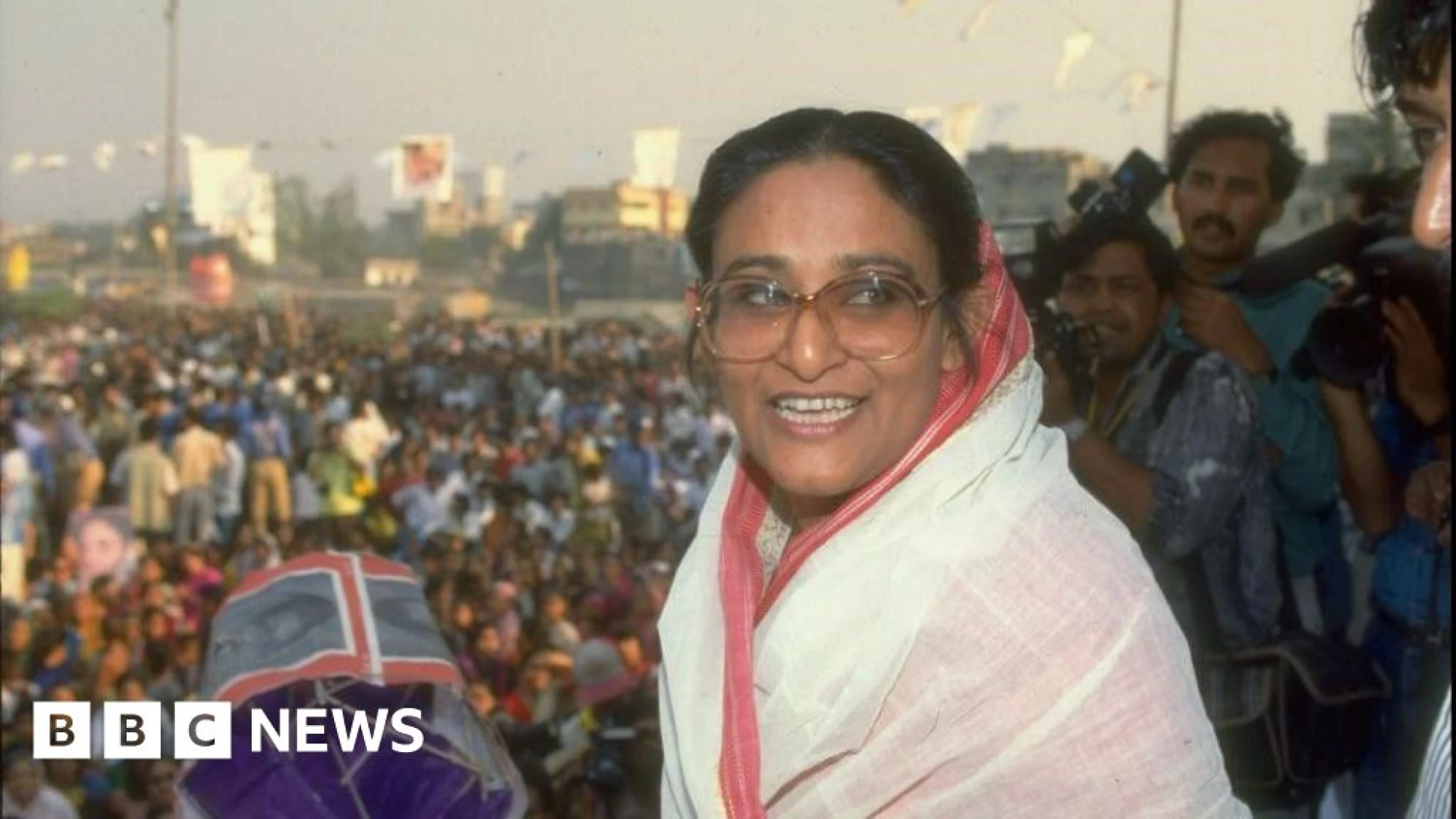
Sheikh Hasina is credited for the country's economic progress but also accused of authoritarianism.
Watch LiveBritish Broadcasting CorporationHomeNewsSportBusinessInnovationCultureArtsTravelEarthAudioVideoLiveDocumentariesHomeNewsIsrael-Gaza WarWar in UkraineUS & CanadaUKUK PoliticsEnglandN. IrelandN. Ireland PoliticsScotlandScotland PoliticsWalesWales PoliticsAfricaAsiaChinaIndiaAustraliaEuropeLatin AmericaMiddle EastIn PicturesBBC InDepthBBC VerifySportBusinessExecutive LoungeTechnology of BusinessFuture of BusinessInnovationWatch DocumentariesTechnologyScience & HealthArtificial IntelligenceAI v the MindCultureWatch DocumentariesFilm & TVMusicArt & DesignStyleBooksEntertainment NewsArtsWatch DocumentariesArts in MotionTravelWatch DocumentariesDestinationsAfricaAntarcticaAsiaAustralia and PacificCaribbean & BermudaCentral AmericaEuropeMiddle EastNorth AmericaSouth AmericaWorld’s TableCulture & ExperiencesAdventuresThe SpeciaListTo the Ends of The Earth EarthWatch DocumentariesNatural WondersWeather & ScienceClimate SolutionsSustainable BusinessGreen LivingAudioPodcast CategoriesRadioAudio FAQsVideoWatch DocumentariesBBC MaestroLiveLive NewsLive SportDocumentariesHomeNewsSportBusinessInnovationCultureArtsTravelEarthAudioVideoLiveDocumentariesWeatherNewslettersWatch LiveSheikh Hasina: The pro-democracy icon who became an autocrat2 days agoShareSaveAnbarasan Ethirajan and Tessa WongBBC NewsShareSaveGetty ImagesMs Hasina oversaw a transformation in Bangladesh's economy but critics say she crushed dissentBangladesh's longest-serving prime minister Sheikh Hasina Wazed began her political career as a pro-democracy icon, but fled mass protests against her rule in August 2024 after 15 years in power.
Since then, Hasina has been in self-imposed exile in India, where she flew after being deposed by the student-led uprising which spiralled into nationwide unrest.
On 17 November, a special tribunal in Dhaka sentenced her to death after convicting her of crimes against humanity. It was found Hasina had ordered a deadly crackdown on protesters between 15 July and 5 August 2024. She denied all charges against her.
Up to 1,400 people were killed during the weeks of protests leading up to her ousting, most by gunfire from security forces, UN human rights investigators said. Their report found that she and her government had tried to cling to power using systematic, deadly violence against protesters.
It was the worst bloodshed the country had seen since independence in 1971.
https://www.bbc.com/news/articles/cg3ee303yxpo?at_medium=RSS&at_campaign=rss
Rating: 5