LA turns Confederate statues that launched US protests into art
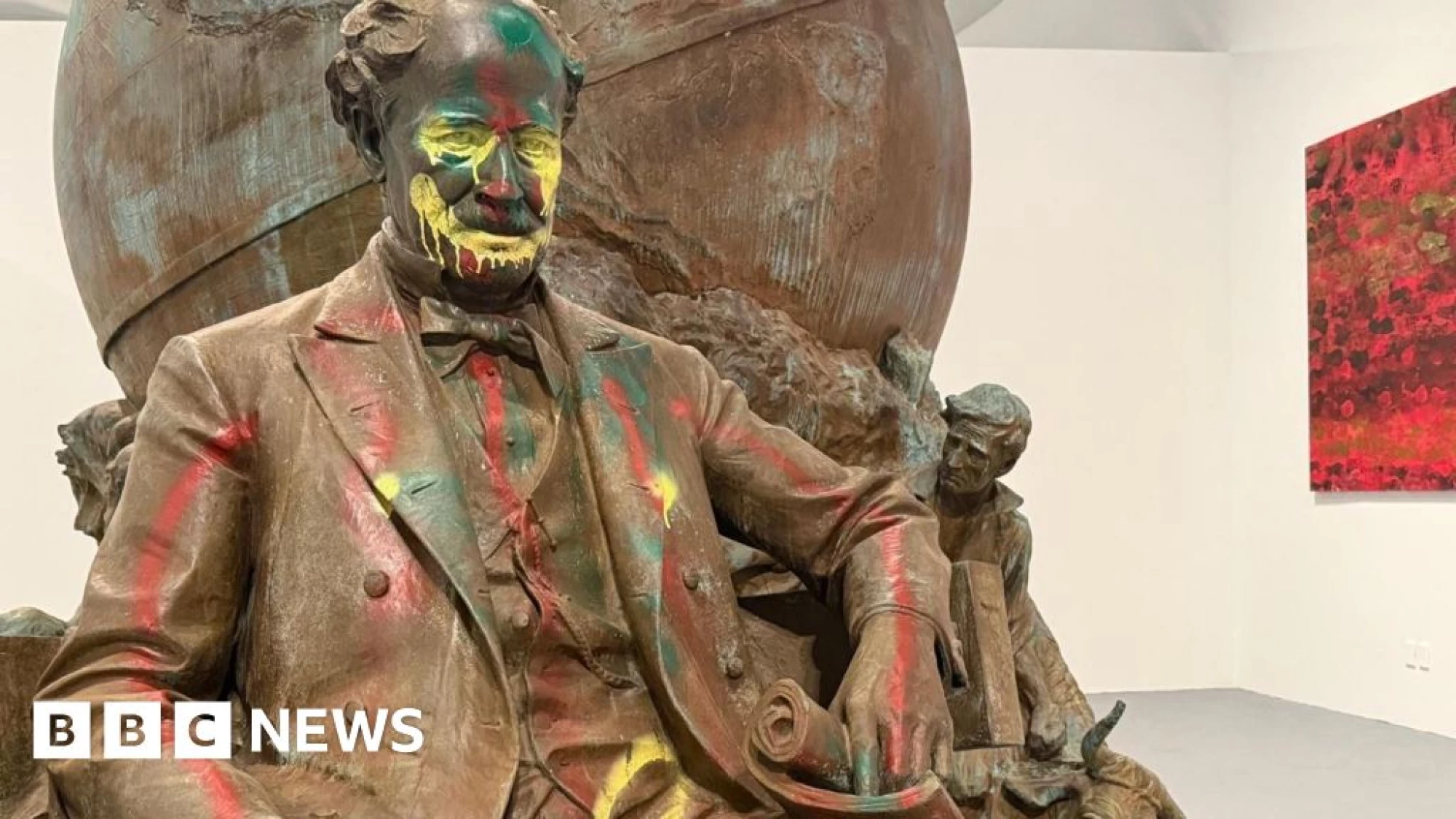
The 18 decommissioned Confederate monuments have been deconstructed and displayed to make a statement on the horrors of slavery.
Watch LiveBritish Broadcasting CorporationHomeNewsSportBusinessInnovationCultureArtsTravelEarthAudioVideoLiveDocumentariesHomeNewsIsrael-Gaza WarWar in UkraineUS & CanadaUKUK PoliticsEnglandN. IrelandN. Ireland PoliticsScotlandScotland PoliticsWalesWales PoliticsAfricaAsiaChinaIndiaAustraliaEuropeLatin AmericaMiddle EastIn PicturesBBC InDepthBBC VerifySportBusinessExecutive LoungeTechnology of BusinessFuture of BusinessInnovationTechnologyScience & HealthArtificial IntelligenceAI v the MindCultureFilm & TVMusicArt & DesignStyleBooksEntertainment NewsArtsArts in MotionTravelDestinationsAfricaAntarcticaAsiaAustralia and PacificCaribbean & BermudaCentral AmericaEuropeMiddle EastNorth AmericaSouth AmericaWorld’s TableCulture & ExperiencesAdventuresThe SpeciaListTo the Ends of The Earth EarthNatural WondersWeather & ScienceClimate SolutionsSustainable BusinessGreen LivingAudioPodcast CategoriesRadioAudio FAQsVideoBBC MaestroLiveLive NewsLive SportDocumentariesHomeNewsSportBusinessInnovationCultureArtsTravelEarthAudioVideoLiveDocumentariesWeatherNewslettersWatch LiveThese confederate statues caused nationwide protests. Melted down, they're now art pieces15 hours agoShareSaveRegan MorrisLos AngelesShareSaveBBC / Regan MorrisA statue of Matthew Fontaine Maury, a Confederate officer, on display A massive monument of General Robert E Lee that once sparked riots in the Virginia city of Charlottesville is now a pile of melted-down bronze, artfully displayed in a Los Angeles museum.
Next to the sculpture are barrels of toxic "slag" leftover from the melting process.
Around the corner, there is a massive, graffitied equestrian statue of Lee and Thomas "Stonewall" Jackson – the two most famous Confederate generals in the US Civil War, which the Confederacy lost in 1865 and ultimately led to the end of slavery in the United States.
"They fought for slavery," says curator Hamza Walker, who has been working for eight years to acquire and borrow the massive monuments amid lawsuits and the logistical challenges of moving tens of thousands of pounds of bronze and granite to Los Angeles.
"The idea of lionising those figures. What did they believe? They believed in white supremacy. Period."
https://www.bbc.com/news/articles/c5y9x1w2ee1o?at_medium=RSS&at_campaign=rss
Rating: 5