Chernobyl radiation shield 'lost safety function' after drone strike, UN watchdog says
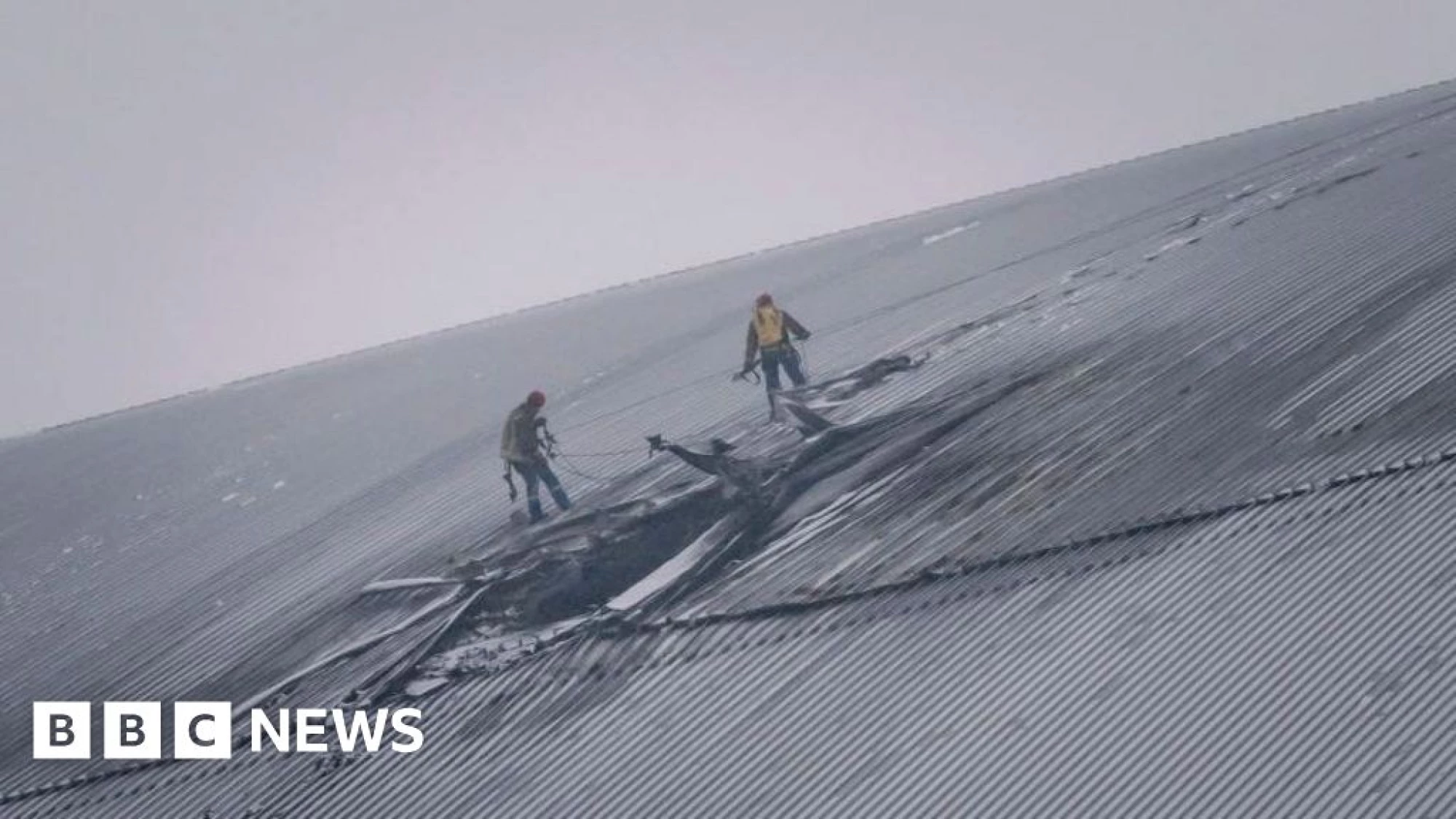
The protective shield at the site of the 1986 disaster has lost its main safety function, the IAEA says.
Watch LiveBritish Broadcasting CorporationHomeNewsSportBusinessInnovationCultureArtsTravelEarthAudioVideoLiveDocumentariesHomeNewsIsrael-Gaza WarWar in UkraineUS & CanadaUKUK PoliticsEnglandN. IrelandN. Ireland PoliticsScotlandScotland PoliticsWalesWales PoliticsAfricaAsiaChinaIndiaAustraliaEuropeLatin AmericaMiddle EastIn PicturesBBC InDepthBBC VerifySportBusinessExecutive LoungeTechnology of BusinessFuture of BusinessInnovationWatch DocumentariesTechnologyScience & HealthArtificial IntelligenceAI v the MindCultureWatch DocumentariesFilm & TVMusicArt & DesignStyleBooksEntertainment NewsArtsWatch DocumentariesArts in MotionTravelWatch DocumentariesDestinationsAfricaAntarcticaAsiaAustralia and PacificCaribbean & BermudaCentral AmericaEuropeMiddle EastNorth AmericaSouth AmericaWorld’s TableCulture & ExperiencesAdventuresThe SpeciaListEarthWatch DocumentariesNatural WondersWeather & ScienceClimate SolutionsSustainable BusinessGreen LivingAudioPodcast CategoriesRadioAudio FAQsVideoWatch DocumentariesBBC MaestroLiveLive NewsLive SportDocumentariesHomeNewsSportBusinessInnovationCultureArtsTravelEarthAudioVideoLiveDocumentariesWeatherNewslettersWatch LiveChernobyl radiation shield 'lost safety function' after drone strike, UN watchdog says1 day agoShareSaveDearbail JordanShareSaveGetty ImagesA drone hit the protective shell around the Chernobyl nuclear reactor in February A protective shield covering the Chernobyl nuclear reactor in Ukraine can no longer provide its main containment function following a drone strike earlier this year, according to a UN watchdog.
International Atomic Energy Agency (IAEA) inspectors found that the massive structure, built over the site of the 1986 nuclear disaster, had lost its "primary safety functions including the confinement capability".
In February, Ukraine accused Russia of targeting the power plant - a claim the Kremlin denied.
The IAEA said repairs were "essential" to "prevent further degradation" of the nuclear shelter. However environmental expert Jim Smith told the BBC: "It is not something to panic about."
Prof Smith from the University of Portsmouth in the UK, who has studied the aftermath of the Chernobyl disaster, said the biggest danger linked to the site was disturbing radioactive dust.
https://www.bbc.com/news/articles/c98nldr06l2o?at_medium=RSS&at_campaign=rss
Rating: 5