Senegal theatre reverses wig ban after backlash
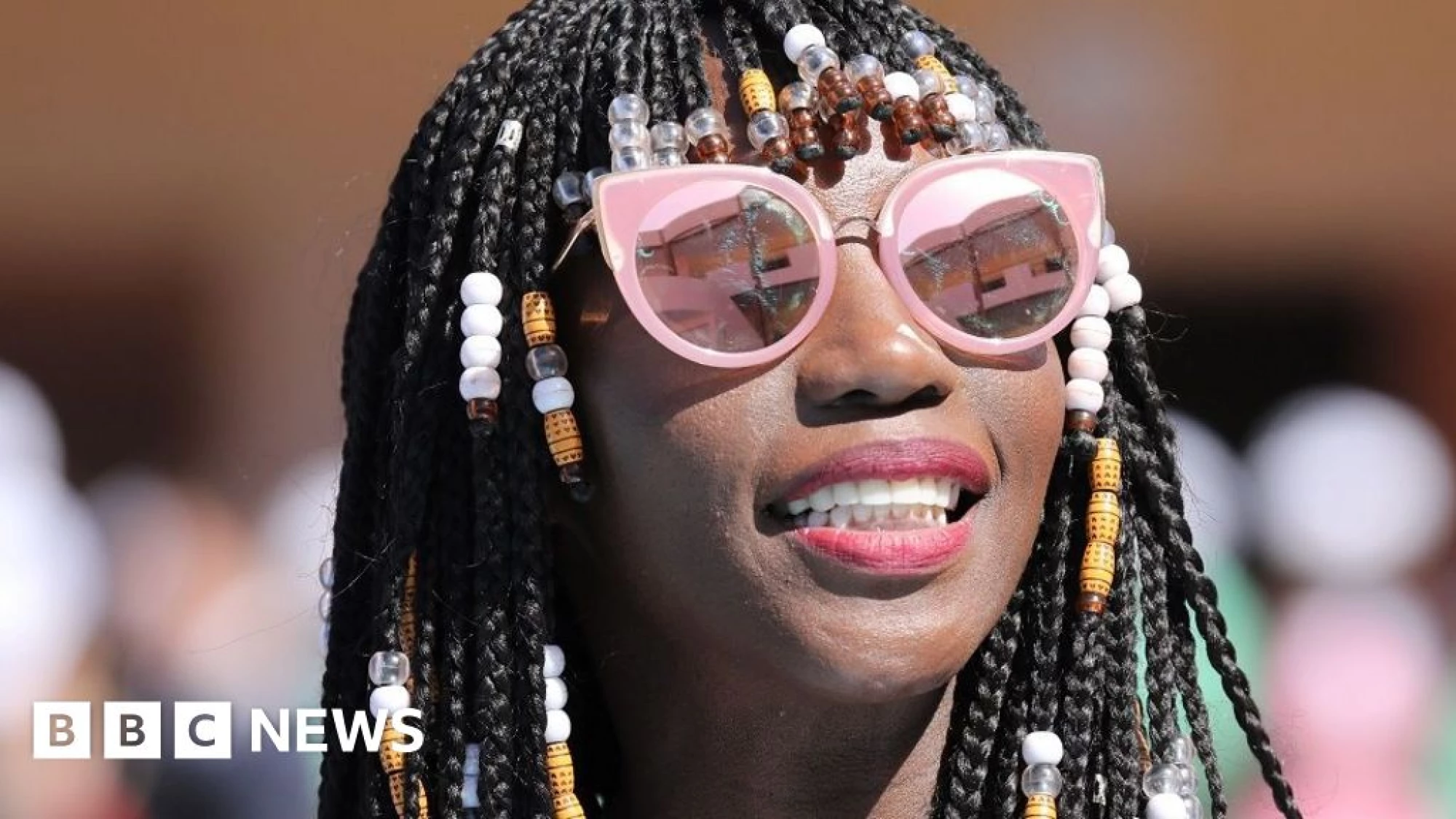
Critics say women's bodies should not be policed in the name of cultural pride.
Watch LiveBritish Broadcasting CorporationHomeNewsSportBusinessInnovationCultureArtsTravelEarthAudioVideoLiveHomeNewsIsrael-Gaza WarWar in UkraineUS & CanadaUKUK PoliticsEnglandN. IrelandN. Ireland PoliticsScotlandScotland PoliticsWalesWales PoliticsAfricaAsiaChinaIndiaAustraliaEuropeLatin AmericaMiddle EastIn PicturesBBC InDepthBBC VerifySportBusinessExecutive LoungeTechnology of BusinessFuture of BusinessInnovationTechnologyScience & HealthArtificial IntelligenceAI v the MindCultureFilm & TVMusicArt & DesignStyleBooksEntertainment NewsArtsArts in MotionTravelDestinationsAfricaAntarcticaAsiaAustralia and PacificCaribbean & BermudaCentral AmericaEuropeMiddle EastNorth AmericaSouth AmericaWorld’s TableCulture & ExperiencesAdventuresThe SpeciaListEarthNatural WondersWeather & ScienceClimate SolutionsSustainable BusinessGreen LivingAudioPodcastsRadioAudio FAQsVideoLiveLive NewsLive SportHomeNewsSportBusinessInnovationCultureArtsTravelEarthAudioVideoLiveWeatherNewslettersWatch LiveWig ban only lasts a day in Senegal theatre after backlash23 hours agoShareSaveNicolas NégoceBBC NewsShareSaveAFP via Getty ImagesWigs are ever-popular in Senegal - as sported here by supermodel Naomi Campbell at a recent fashion show in DakarA sudden and swiftly reversed ban on wigs, hair extensions, and skin-lightening products at an iconic theatre in Senegal's capital, Dakar, has ignited a widespread public backlash - laying bare deep tensions around identity, gender politics, and cultural nationalism in the West African nation.
The internal memo was stamped by the national culture ministry and issued on Monday by Serigne Fall Guèye, director of the Grand Théâtre de Dakar.
He said the move was to "promote Pan-African values" and protect the institution's cultural image.
But critics accused Guèye of policing women's bodies under the guise of cultural pride, and the ban was reversed the following day.
Feminist groups and civil society leaders said the memo reflected broader concerns about gender inequality in Senegal, especially given the low number of women in President Bassirou Diomaye Faye's administration - four out of 25 - and the removal of the Ministry of Women.
https://www.bbc.com/news/articles/cly10yyqvygo
Rating: 5