Retail panic: What the end of the 'de minimis' exemption means for brands across the globe
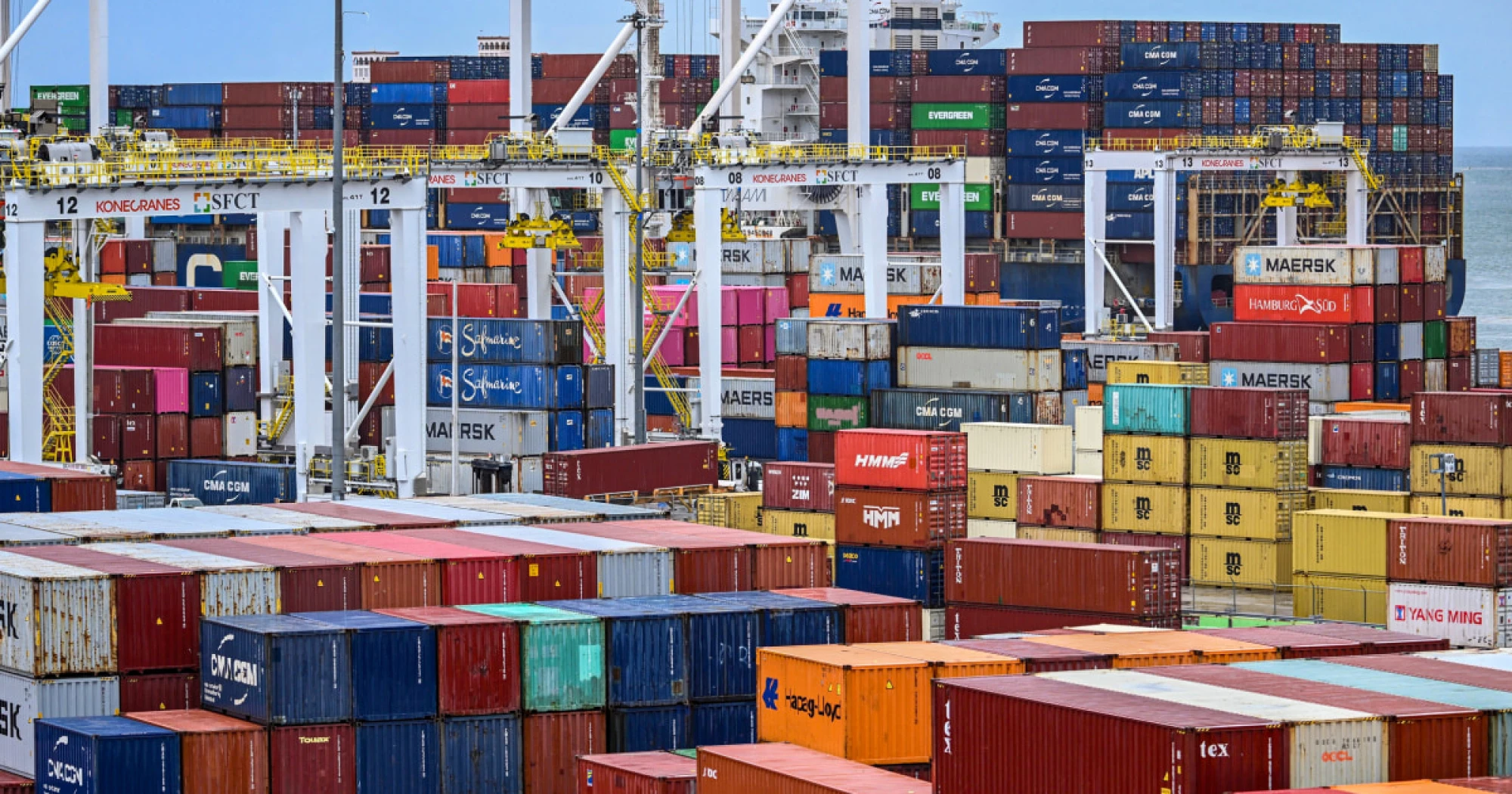
The de minimis exemption, an obscure trade law provision that has simultaneously fueled and eroded businesses across the globe, officially came to an end on Friday following an executive order by President Donald Trump.
The de minimis exemption, an obscure trade law provision that has simultaneously fueled and eroded businesses across the globe, officially came to an end on Friday following an executive order by President Donald Trump.
For nearly a decade, shipments valued under $800 were allowed to enter the country virtually duty free and with less oversight. Now, those shipments from the likes of Tapestry, Lululemon and just about any other retailer with an online presence will be tariffed and processed in the same way that larger packages are handled.
In May, Trump ended the exemption for goods coming from China and Hong Kong, and on July 30 he expanded the rollback to all countries, calling it a “catastrophic loophole” that’s been used to evade tariffs and get “unsafe or below-market” products into the U.S.
The de minimis exemption had previously been slated to end in July 2027 as part of sweeping legislation passed by Congress, but Trump’s executive order eliminated the provision much sooner, giving businesses, customs officials and postal services less time to prepare.
“The ending of that under-$800-per-person-per-day rule, from a global perspective, is about to probably cause a bit of pandemonium,” said Lynlee Brown, a partner in the global trade division at accounting firm EY. “There’s a financial implication, there’s an operational implication, and then there’s pure compliance, right? Like, these have all been informal entries. No one’s really looked at them.”
Rating: 5