Looking to limit birthright citizenship, Trump turns to an 1884 Supreme Court ruling against a Native American man
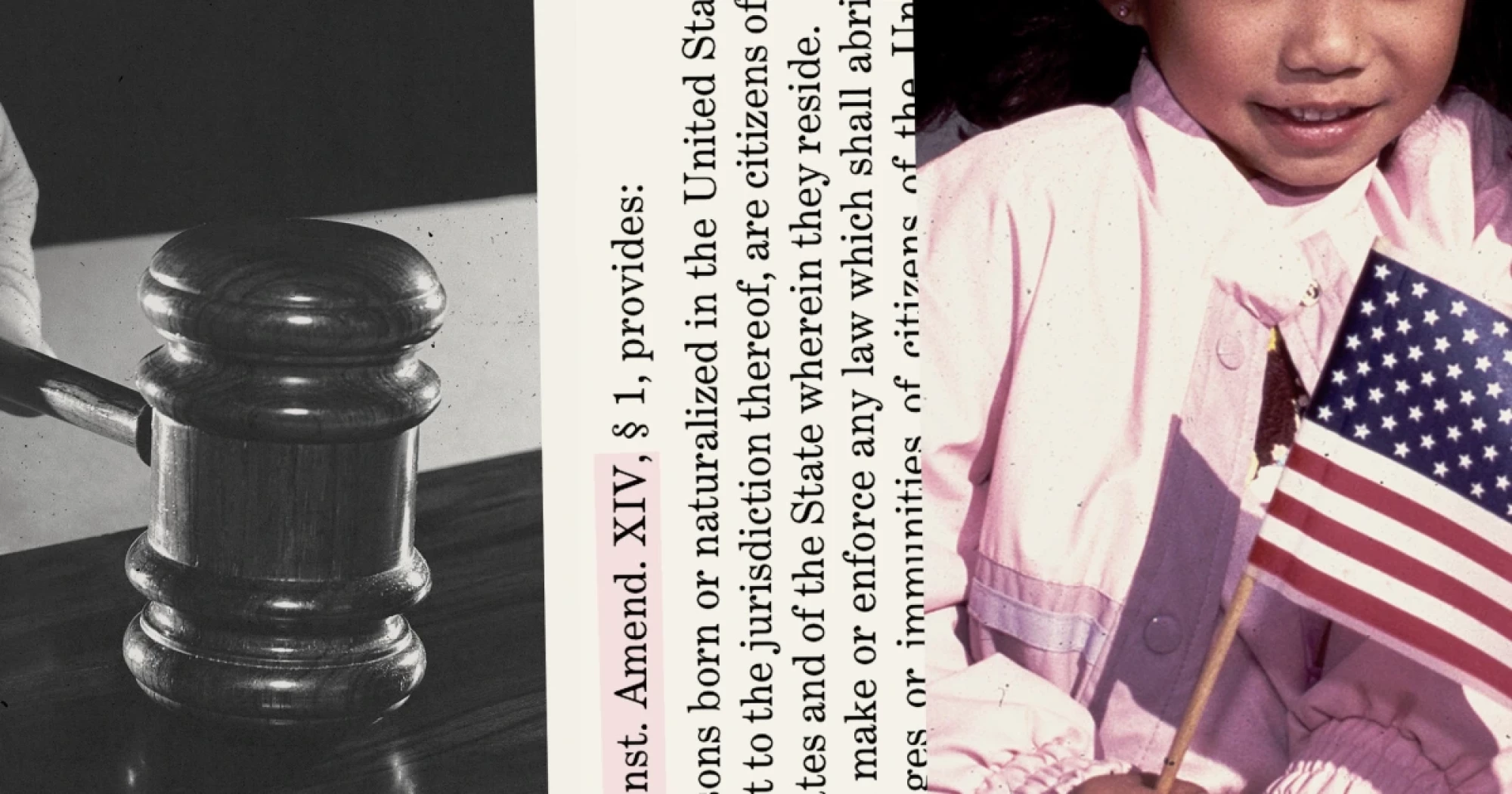
Defending birthright citizenship changes, President Donald Trump's administration is citing an 1884 Supreme Court case called Elk v. Wilkins about voting rights for a Native American man.
WASHINGTON — In a moment that could take on new significance almost 150 years later, Omaha election official Charles Wilkins on April 5, 1880, refused to register John Elk to vote on the grounds that he was Native American, and therefore not an American citizen.
Elk — believed to have been a member of what is now known as the Winnebago Tribe of Nebraska — objected, saying he had severed all ties with his tribe and had willingly subjected himself to the authority of the United States.
He launched a legal challenge, arguing among other things that he was a citizen at birth because he was born within United States territory.
But the Supreme Court, in an 1884 case called Elk v. Wilkins, ruled against him, saying that Native Americans born within the territory of the United States did not have birthright citizenship. They had the same status as “the children of subjects of any foreign government born within the domain of that government,” the court said.
President Donald Trump’s administration is now citing that case as it defends his plan to end automatic birthright citizenship, putting a new spin on the long-standing interpretation of the Constitution’s 14th Amendment. The Supreme Court hears oral arguments in the case on Wednesday.
Rating: 5