Hiroshima: Officials attend 80th anniversary of atomic bombing
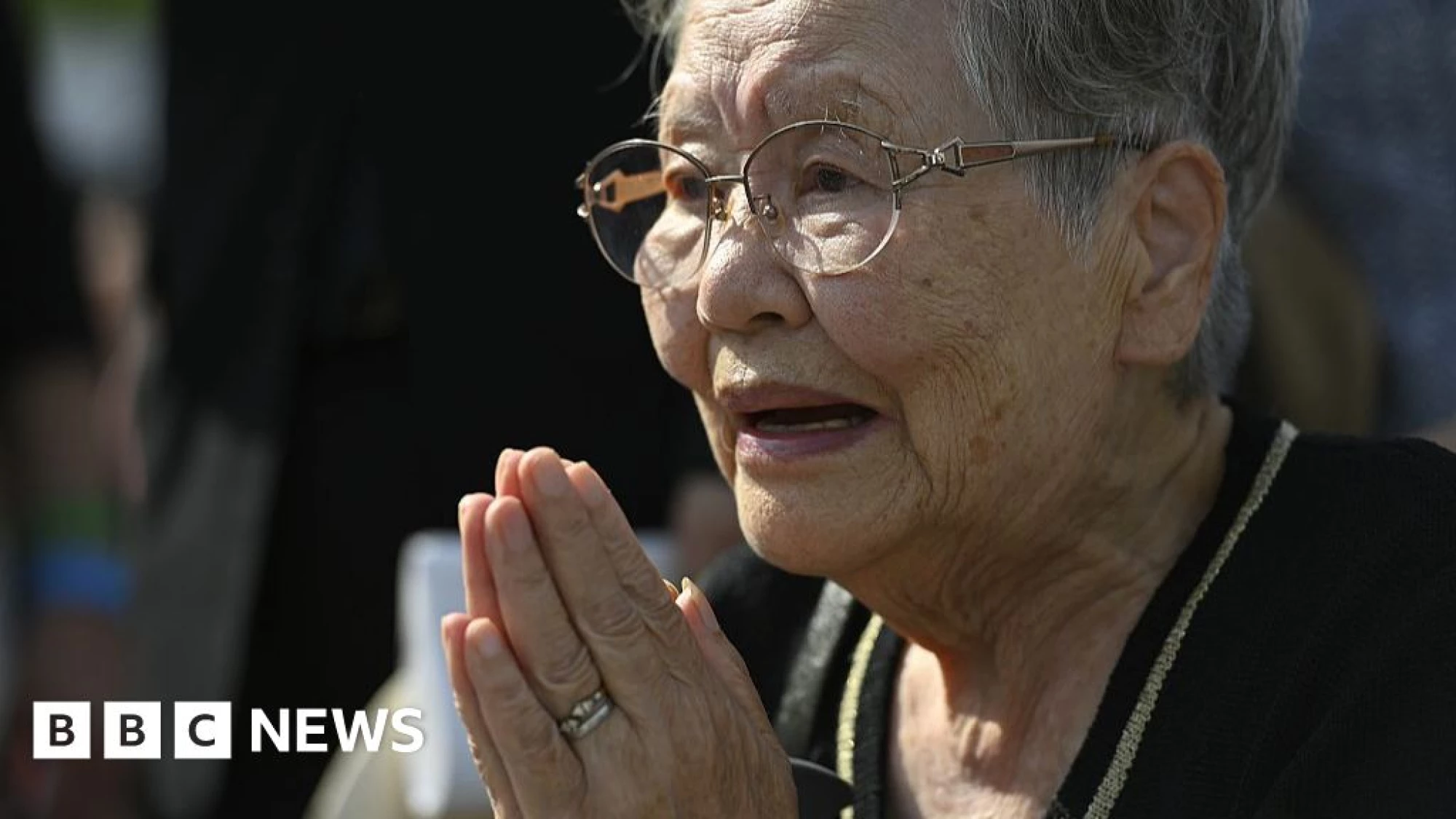
Japan's leader Shigeru Ishiba and officials from across the world attended the annual ceremony in Hiroshima.
Watch LiveBritish Broadcasting CorporationHomeNewsSportBusinessInnovationCultureArtsTravelEarthAudioVideoLiveHomeNewsIsrael-Gaza WarWar in UkraineUS & CanadaUKUK PoliticsEnglandN. IrelandN. Ireland PoliticsScotlandScotland PoliticsWalesWales PoliticsAfricaAsiaChinaIndiaAustraliaEuropeLatin AmericaMiddle EastIn PicturesBBC InDepthBBC VerifySportBusinessExecutive LoungeTechnology of BusinessFuture of BusinessInnovationTechnologyScience & HealthArtificial IntelligenceAI v the MindCultureFilm & TVMusicArt & DesignStyleBooksEntertainment NewsArtsArts in MotionTravelDestinationsAfricaAntarcticaAsiaAustralia and PacificCaribbean & BermudaCentral AmericaEuropeMiddle EastNorth AmericaSouth AmericaWorld’s TableCulture & ExperiencesAdventuresThe SpeciaListEarthNatural WondersWeather & ScienceClimate SolutionsSustainable BusinessGreen LivingAudioPodcast CategoriesRadioAudio FAQsVideoLiveLive NewsLive SportHomeNewsSportBusinessInnovationCultureArtsTravelEarthAudioVideoLiveWeatherNewslettersWatch LiveHiroshima marks 80 years since atomic bombing13 hours agoShareSaveShaimaa KhalilJapan Correspondent in HiroshimaKoh EweBBC News, SingaporeShareSaveGetty ImagesJapanese prime minister Shigeru Ishiba (second from right) attended the ceremony in Hiroshima, along with representatives from around the worldA silent prayer was held in Japan on Wednesday morning as it marked 80 years since the United States dropped an atomic bomb on the city of Hiroshima.
Japanese prime minister Shigeru Ishiba attended the ceremony on Wednesday, along with officials from around the world and the city's mayor Kazumi Matsui.
Matsui warned of a global "accelerating trend toward military build-up... [and] the idea that nuclear weapons are essential for national defence", saying this was a "flagrant disregard [of] the lessons the international community should have learned from the tragedies of history".
World War Two ended with Japan's surrender after the dropping of the bombs in Hiroshima and Nagasaki.
The bombs killed more than 200,000 people - some from the immediate blast and others from radiation sickness and burns.
https://www.bbc.com/news/articles/cm2v58qrjq0o?at_medium=RSS&at_campaign=rss
Rating: 5