After man's death following insurance denials, West Virginia tackles prior authorization
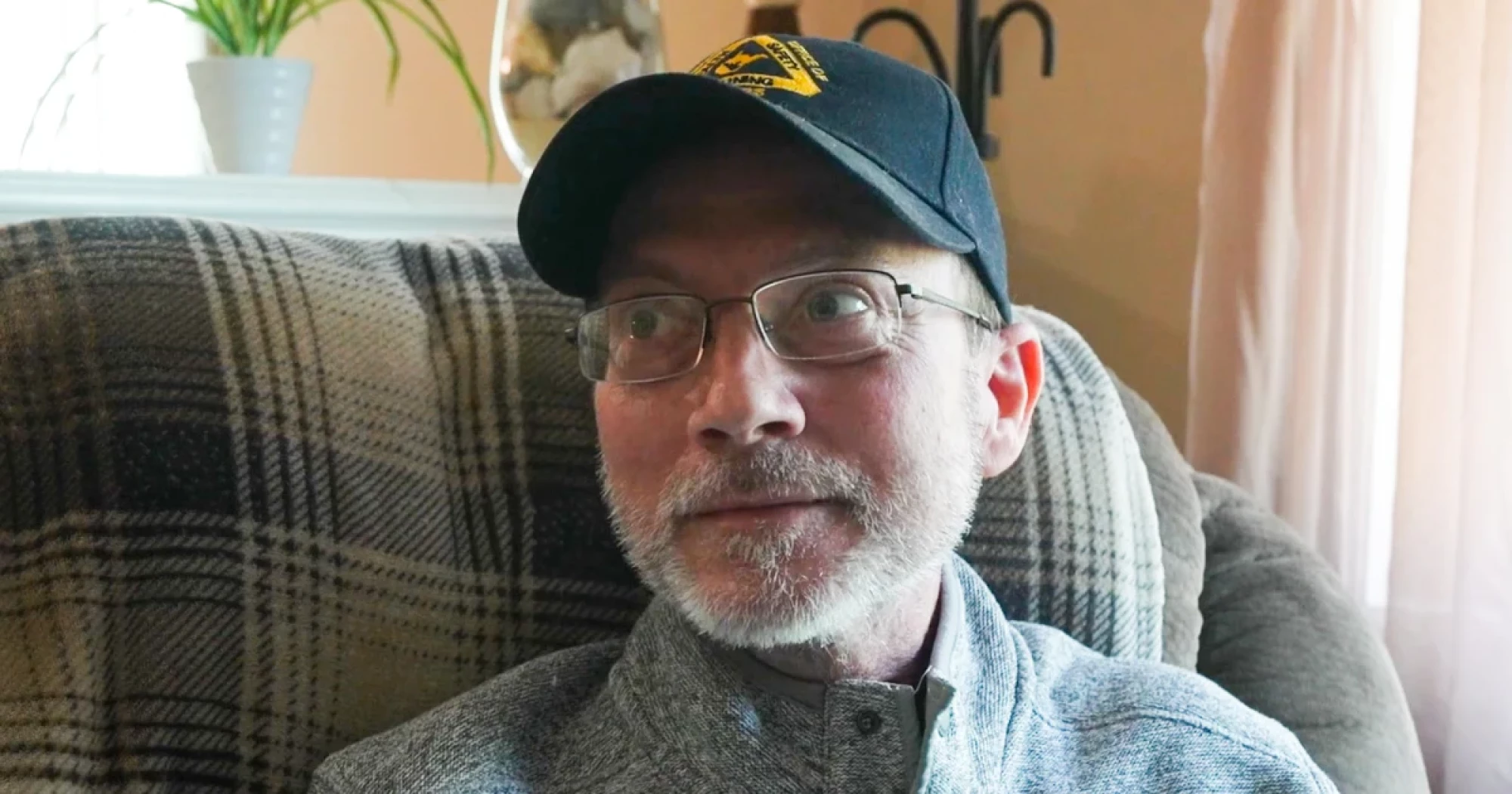
Six months after Eric Tennant died following a protracted battle with his health insurer over doctor-recommended cancer care, West Virginia’s Republican governor signed a bill intended to curb the harms of insurance denials
Six months after Eric Tennant died following a protracted battle with his health insurer over doctor-recommended cancer care, West Virginia’s Republican governor signed a bill intended to curb the harms of insurance denials.
Subscribe to read this story ad-free
Get unlimited access to ad-free articles and exclusive content.
Tennant, a coal mining safety instructor from Bridgeport, died last September at age 58 from complications related to stage 4 cancer of the bile ducts. In early 2025, his insurer, the state’s Public Employees Insurance Agency, repeatedly denied him coverage of a $50,000 noninvasive cancer treatment that would have used ultrasound waves to target, and potentially shrink, the largest tumor in his liver. His family didn’t expect the procedure to eradicate the cancer, but they hoped it would buy him more time and improve his quality of life. The insurer said that the procedure, called histotripsy, wasn’t medically necessary and that it was considered “experimental and investigational.”
Eric Tennant with his wife, Becky, and daughter, Amiya.Rebecca TennantBecky Tennant, his widow, told members of a West Virginia House committee in late February that she submitted medical records, expert opinions and data as part of several attempts to appeal the denial. She also reached out to “almost every one of our state representatives,” asking for help.
Rating: 5