Gaza doctors investigate 'signs of torture' on unnamed dead returned by Israel
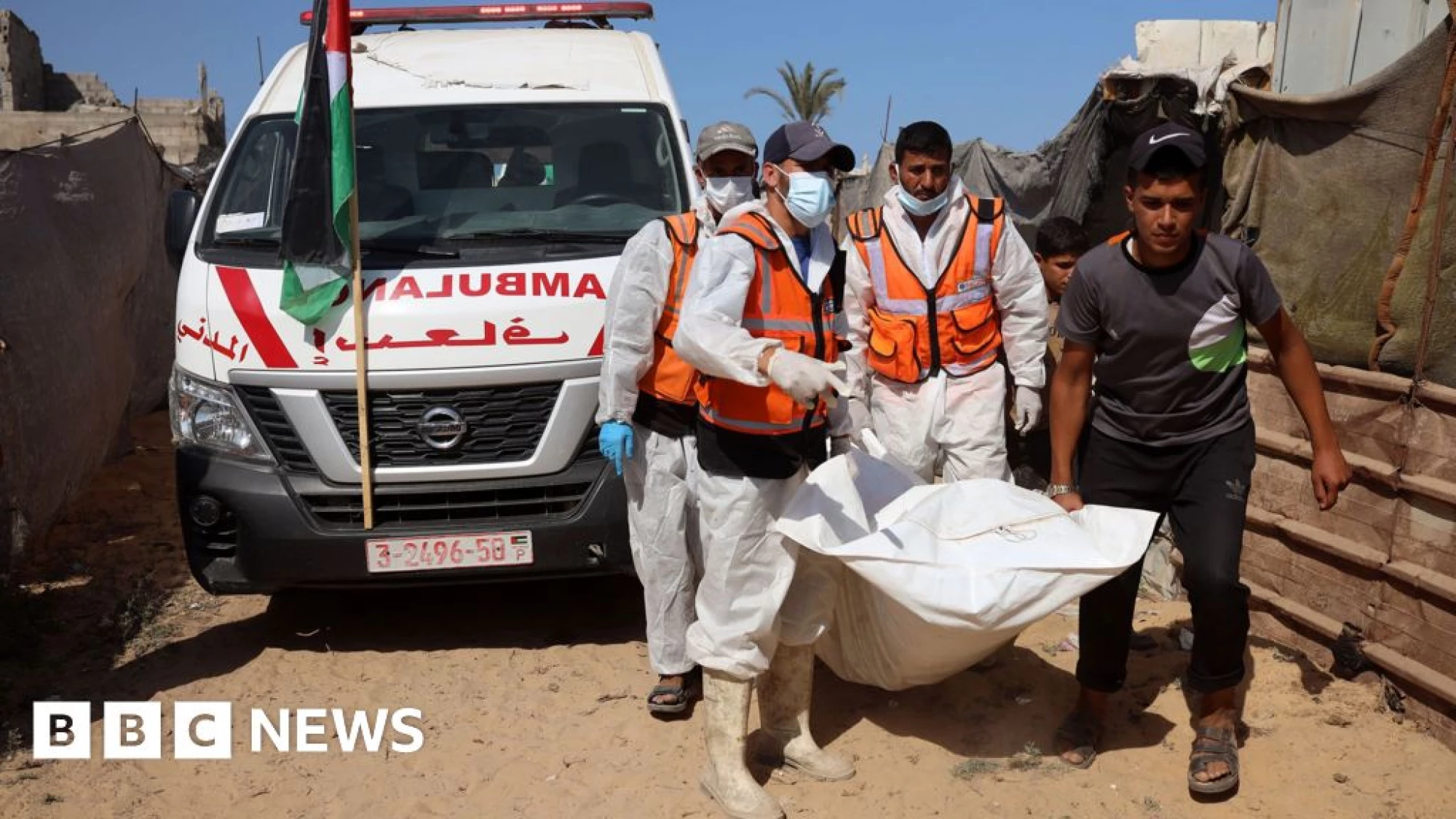
Photographs show bodies with multiple signs of injury and wrists tied behind their backs.
Watch LiveBritish Broadcasting CorporationHomeNewsSportBusinessInnovationCultureArtsTravelEarthAudioVideoLiveDocumentariesHomeNewsIsrael-Gaza WarWar in UkraineUS & CanadaUKUK PoliticsEnglandN. IrelandN. Ireland PoliticsScotlandScotland PoliticsWalesWales PoliticsAfricaAsiaChinaIndiaAustraliaEuropeLatin AmericaMiddle EastIn PicturesBBC InDepthBBC VerifySportBusinessExecutive LoungeTechnology of BusinessFuture of BusinessInnovationTechnologyScience & HealthArtificial IntelligenceAI v the MindCultureFilm & TVMusicArt & DesignStyleBooksEntertainment NewsArtsArts in MotionTravelDestinationsAfricaAntarcticaAsiaAustralia and PacificCaribbean & BermudaCentral AmericaEuropeMiddle EastNorth AmericaSouth AmericaWorld’s TableCulture & ExperiencesAdventuresThe SpeciaListTo the Ends of The Earth EarthNatural WondersWeather & ScienceClimate SolutionsSustainable BusinessGreen LivingAudioPodcast CategoriesRadioAudio FAQsVideoBBC MaestroLiveLive NewsLive SportDocumentariesHomeNewsSportBusinessInnovationCultureArtsTravelEarthAudioVideoLiveDocumentariesWeatherNewslettersWatch LiveGaza doctors struggle to investigate 'signs of torture' on unnamed dead returned by Israel10 hours agoShareSaveLucy WilliamsonMiddle East correspondent, in JerusalemShareSaveAFPThe bodies of the dead Palestinians were transferred by the Red Cross in refrigerated lorriesOut of a single room, with no DNA testing facilities or cold storage units of its own, the forensics team at Gaza's Nasser hospital face the challenges brought by peace.
Over the past eleven days, 195 bodies have been returned to Gaza by Israeli authorities, in exchange for the bodies of 13 Israeli hostages, under the terms of Donald Trump's ceasefire deal. Two other bodies – those of Nepalese and Thai hostages – have also been returned by Hamas.
Photographs released by Gaza's medical authorities show some of the bodies badly decomposed, and arriving in civilian clothes or naked except for underwear, some with multiple signs of injury. Many have their wrists tied behind their backs, and doctors say some bodies arrived blindfolded or with cloth roped around their necks.
The forensic team at Nasser hospital are working with almost no resources to answer vast questions about torture, mistreatment and identity.
The head of the unit, Dr Ahmed Dheir, said one of their biggest limitations is a lack of cold storage space. The bodies arrive in Gaza thoroughly frozen and can take several days to thaw out, ruling out even basic identification methods like dental history, let alone any deeper investigation or post-mortem (autopsy).
https://www.bbc.com/news/articles/c4gz3r46e37o?at_medium=RSS&at_campaign=rss
Rating: 5