Artificial turf safety tensions rising over youth sports injuries and worries about chemicals
The artificial turf industry convinced local governments and school boards that switching from grass to turf could save money and expand playing time for youth sports.
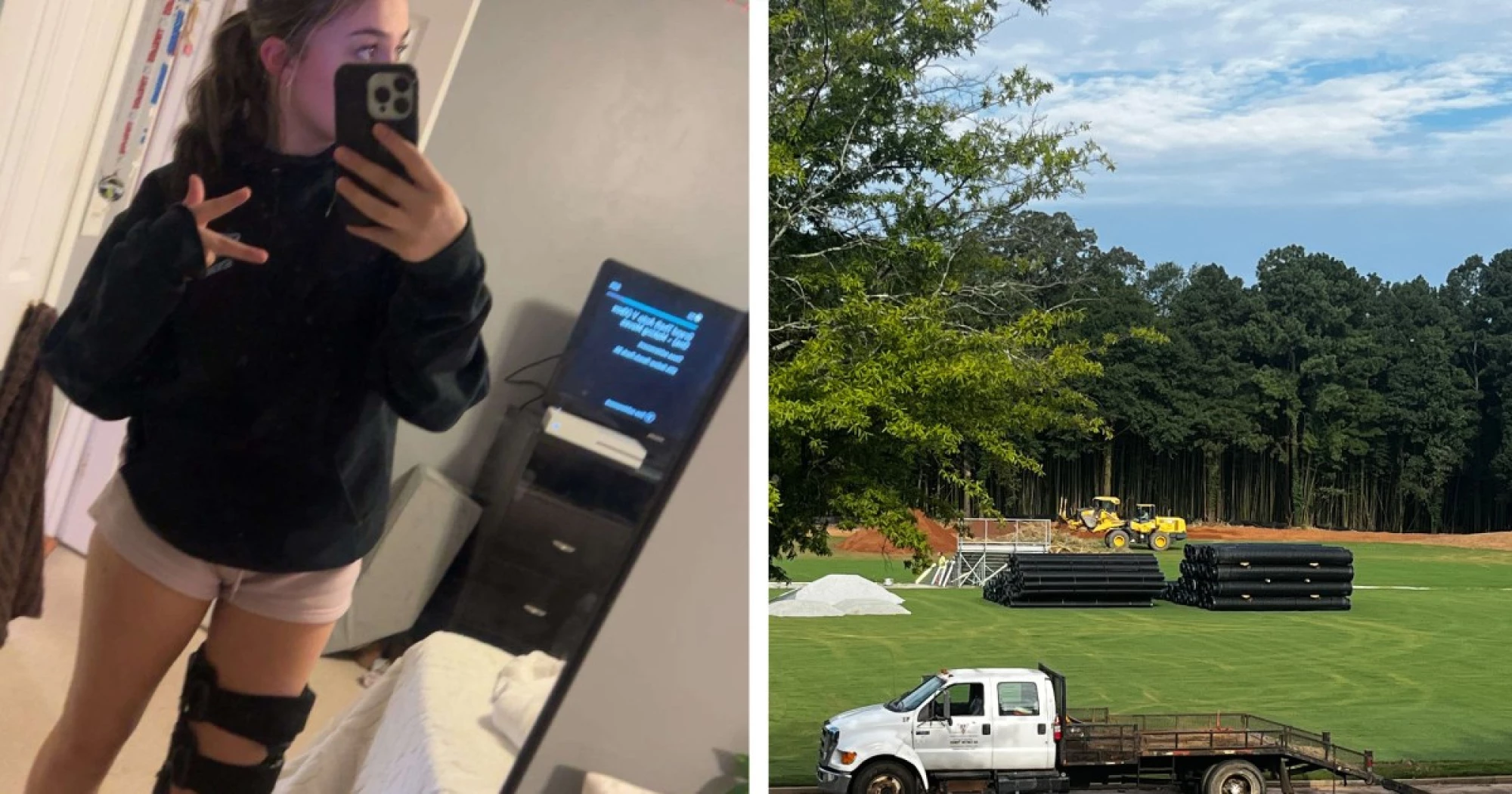
Natalie Silva, a high school senior in Massachusetts, wants to play soccer in college, but she is still recovering from a right knee injury during a game over a year ago.
Silva remembers colliding with an opposing player. As she fell, she heard her knee “pop” when her cleats got stuck in the turf on a field where her Uxbridge High School team was playing an away game.
“I was playing on an indoor field where the turf is on top of concrete. If it was grass, there would’ve been more cushion,” claims Silva, 18, who goes to school about 50 miles southwest of Boston. She said she met with her doctor, who was concerned that her cleats were made for playing on grass, not turf. “The turf 100% played a role in my injury,” Silva said.
The multibillion-dollar artificial turf industry has convinced local governments and school boards that turf fields are a way to save money and increase playing time for young people. As hundreds of synthetic fields and playgrounds are installed at schools, colleges, and public parks in the U.S. every year, stakeholders from lawmakers to school boards and soccer moms are debating claims like Silva’s about the safety of playing on such surfaces.
Boston and Westport, Connecticut, have effectively banned turf that contains rubber from recycled tires due to concerns about exposure to chemicals. Vermont has passed restrictions, and in California, a reversal of a previous decision now allows local communities to impose bans.
Rating: 5