Mother with cerebral palsy struggles to hire aides after private equity takeover
In the hands of financiers, a New York Medicaid program that lets disabled and elderly participants live at home is in disarray.
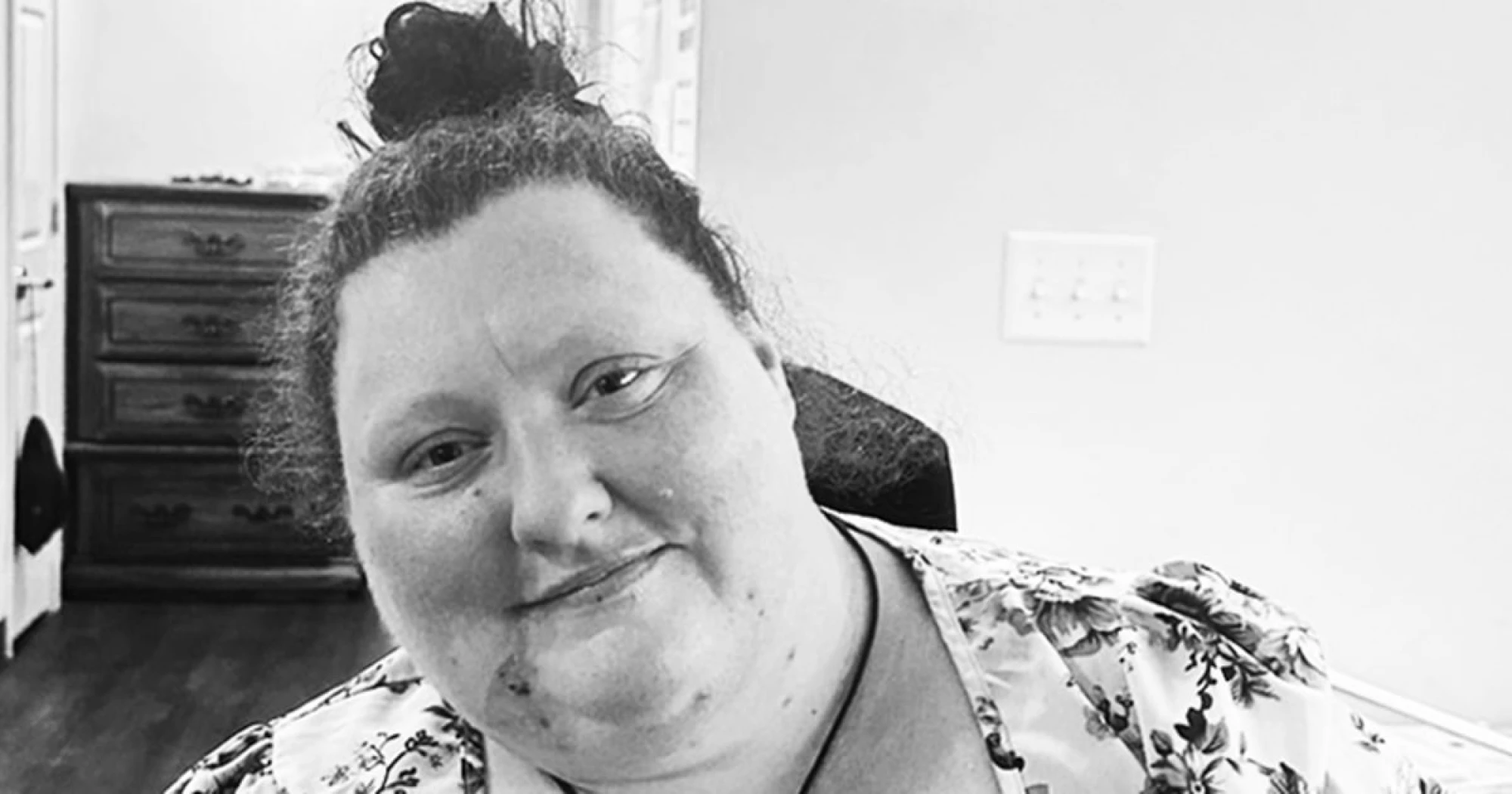
Renee Christian, a single mom with cerebral palsy, lives in Buffalo, New York, with her 12-year-old daughter. Although her condition forced her to spend most of her childhood at a nursing home, she has resided in her own home for years with the help of personal assistants she hires under a New York State Medicaid program.
In April, however, Christian’s life was upended when the state forced her and her assistants to work with a new company administering the nation’s largest consumer-directed personal assistance program, called CDPAP. One by one, she lost nearly half her assistants because they said they did not receive the proper pay for their work, Christian said. She now fears for her future living at home where she needs help getting dressed, doing laundry and cooking meals.
Renee Christian.Courtesy Renee Christian.“I’m trying to hire new staff, and I am very good at navigating technology,” Christian, 37, said. “But it’s hard when you have to tell your new hires, ‘I can’t guarantee you’re going to get paid on time or get the appropriate amount of hours.’”
Christian is not the only one affected by the state program’s recent takeover.
NBC News spoke with nine consumers and personal assistants who described multiple problems since Public Partnerships LLC (PPL) won the $1 billion, five-year contract in 2024, replacing roughly 600 entities that had been administering the program. The issues range from assistants receiving checks for zero dollars to problems arranging for direct deposit, onboarding new workers and clocking hours worked.
Rating: 5