Mysterious 'warm blob' breaks records in the North Pacific Ocean
Temperatures have surged across a large area of the north Pacific - and scientists don't know exactly why.
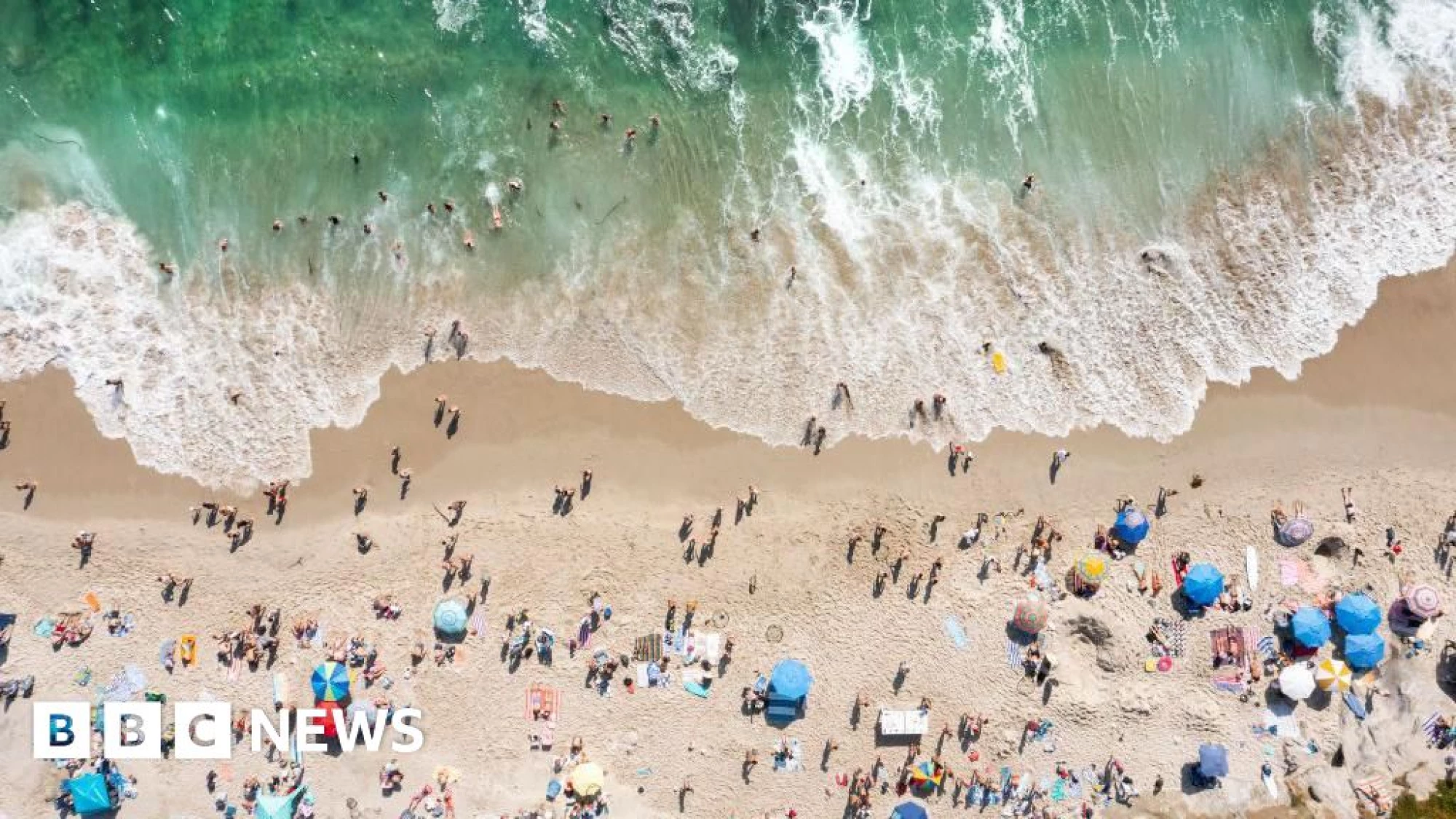
Watch LiveBritish Broadcasting CorporationHomeNewsSportBusinessInnovationCultureArtsTravelEarthAudioVideoLiveDocumentariesHomeNewsIsrael-Gaza WarWar in UkraineUS & CanadaUKUK PoliticsEnglandN. IrelandN. Ireland PoliticsScotlandScotland PoliticsWalesWales PoliticsAfricaAsiaChinaIndiaAustraliaEuropeLatin AmericaMiddle EastIn PicturesBBC InDepthBBC VerifySportBusinessExecutive LoungeTechnology of BusinessFuture of BusinessInnovationTechnologyScience & HealthArtificial IntelligenceAI v the MindCultureFilm & TVMusicArt & DesignStyleBooksEntertainment NewsArtsArts in MotionTravelDestinationsAfricaAntarcticaAsiaAustralia and PacificCaribbean & BermudaCentral AmericaEuropeMiddle EastNorth AmericaSouth AmericaWorld’s TableCulture & ExperiencesAdventuresThe SpeciaListTo the Ends of The Earth EarthNatural WondersWeather & ScienceClimate SolutionsSustainable BusinessGreen LivingAudioPodcast CategoriesRadioAudio FAQsVideoBBC MaestroLiveLive NewsLive SportDocumentariesHomeNewsSportBusinessInnovationCultureArtsTravelEarthAudioVideoLiveDocumentariesWeatherNewslettersWatch LiveMystery heatwave warms Pacific Ocean to new record2 days agoShareSaveMark Poynting and Matt McGrathBBC News Climate and ScienceShareSaveKevin Carter/Getty ImagesPeople head to the coast in San Diego on a hot summer's day The waters of the north Pacific have had their warmest summer on record, according to BBC analysis of a mysterious marine heatwave that has confounded climate scientists.
Sea surface temperatures between July and September were more than 0.25C above the previous high of 2022 - a big increase across an area roughly ten times the size of the Mediterranean.
While climate change is known to make marine heatwaves more likely, scientists are struggling to explain why the north Pacific has been so hot for so long.
But all this extra heat in the so-called "warm blob" may have the opposite effect in the UK, possibly making a colder start to winter more likely, some researchers believe.
"There's definitely something unusual going on in the north Pacific," said Zeke Hausfather, a climate scientist at Berkeley Earth, a research group in the US.
https://www.bbc.com/news/articles/ce3xynwwx4yo?at_medium=RSS&at_campaign=rss
Rating: 5