As Islamophobia rises, Australia's Muslims celebrate Eid
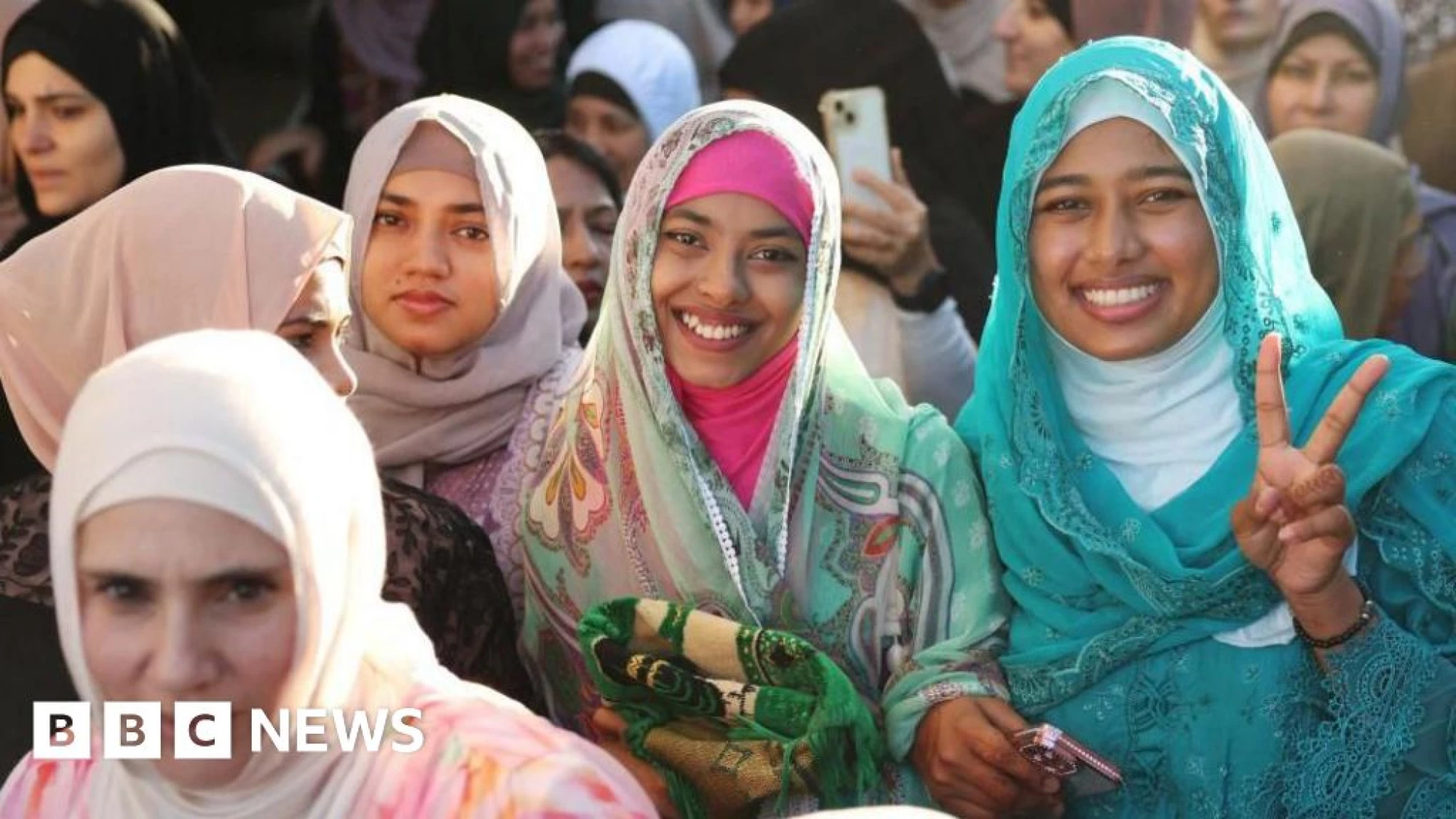
Recent events abroad and at home have fuelled an ongoing surge of Islamophobia in Australia.
Watch LiveBritish Broadcasting CorporationHomeNewsSportBusinessTechnologyHealthCultureArtsTravelEarthAudioVideoLiveDocumentariesHomeNewsUS & CanadaUKUK PoliticsEnglandN. IrelandN. Ireland PoliticsScotlandScotland PoliticsWalesWales PoliticsAfricaAsiaChinaIndiaAustraliaEuropeLatin AmericaMiddle EastIn PicturesBBC InDepthBBC VerifySportBusinessWorld of BusinessTechnology of BusinessNYSE Opening BellTechnologyWatch DocumentariesArtificial IntelligenceAI v the MindHealthWatch DocumentariesCultureWatch DocumentariesFilm & TVMusicArt & DesignStyleBooksEntertainment NewsArtsWatch DocumentariesArts in MotionTravelWatch DocumentariesDestinationsAfricaAntarcticaAsiaAustralia and PacificCaribbean & BermudaCentral AmericaEuropeMiddle EastNorth AmericaSouth AmericaWorld’s TableCulture & ExperiencesAdventuresThe SpeciaListEarthWatch DocumentariesScienceNatural WondersClimate SolutionsSustainable BusinessGreen LivingAudioPodcast CategoriesRadioAudio FAQsVideoWatch DocumentariesBBC MaestroDiscover the WorldLiveLive NewsLive SportDocumentariesHomeNewsSportBusinessTechnologyHealthCultureArtsTravelEarthAudioVideoLiveDocumentariesWeatherNewslettersWatch LiveAs Islamophobia rises, Australia's Muslims celebrate Eid2 days agoShareSaveKaty WatsonAustralia correspondent, SydneyShareSaveReutersAn average of 18 Islamophobic incidents take place in Australia every weekAs sunset approached in the south-western Sydney suburb of Lakemba last week, the street outside the Imam Ali bin Abi Taleb Mosque filled with thousands of people - most of whom found a seat at one of many trestle tables covered with white table cloths.
The mosque was hosting a community Iftar: the evening meal that marks the end of daily fasting in Ramadan.
The tables were divided into sections, marked by buffet stations labelled 'women' and 'men', and as the sun went down families brought out boxes of dates to break their fast, offering them around to neighbours and other guests.
Yet despite the family-friendly vibe of this event, a police surveillance trailer parked in the road - complete with 360 cameras on tall poles - spoke to fears among the community. After being on the receiving end of several threats, community leaders requested extra police presence throughout Ramadan. They also employed private security.
"We are going through very challenging times at the moment for the Muslim community and Australia in general," said Gamel Kheir, secretary of the Lebanese Muslim Association, who organised the community Iftar.
https://www.bbc.com/news/articles/cr410ezy312o?at_medium=RSS&at_campaign=rss
Rating: 5